
Best Val de Bagnes hiking trips for solo international travelers
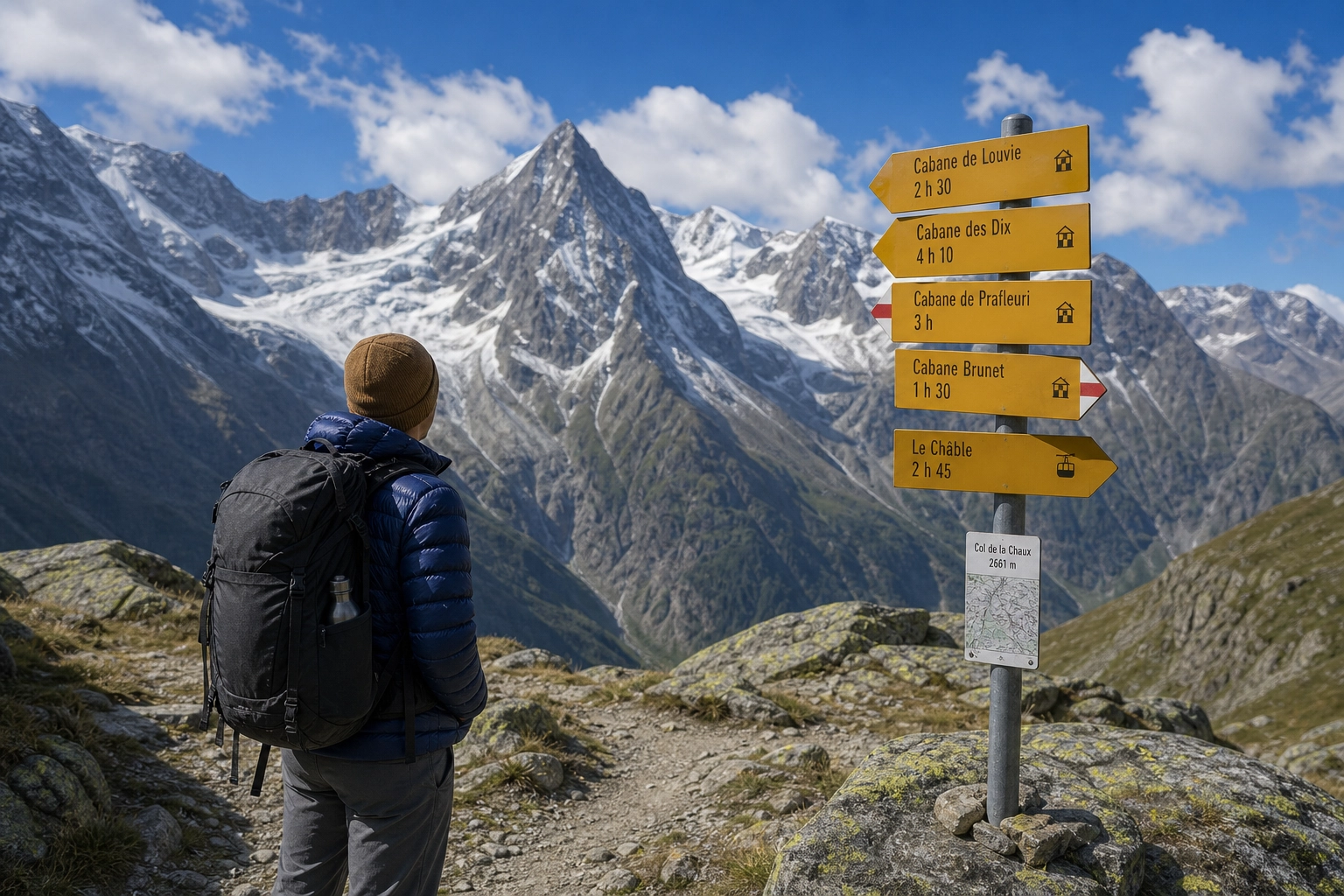
The Swiss Alps present a paradox for the modern solo traveler. You fly across the globe seeking remote, rugged wilderness, only to find yourself shoulder-to-shoulder with thousands of other hikers on the exact same trails beneath the Matterhorn or the Eiger. If you want the dramatic glaciated peaks, deep valleys, and pristine alpine lakes of Switzerland without the overwhelming crowds of the primary tourist hubs, you need to look slightly off the standard international radar.
Enter Val de Bagnes.
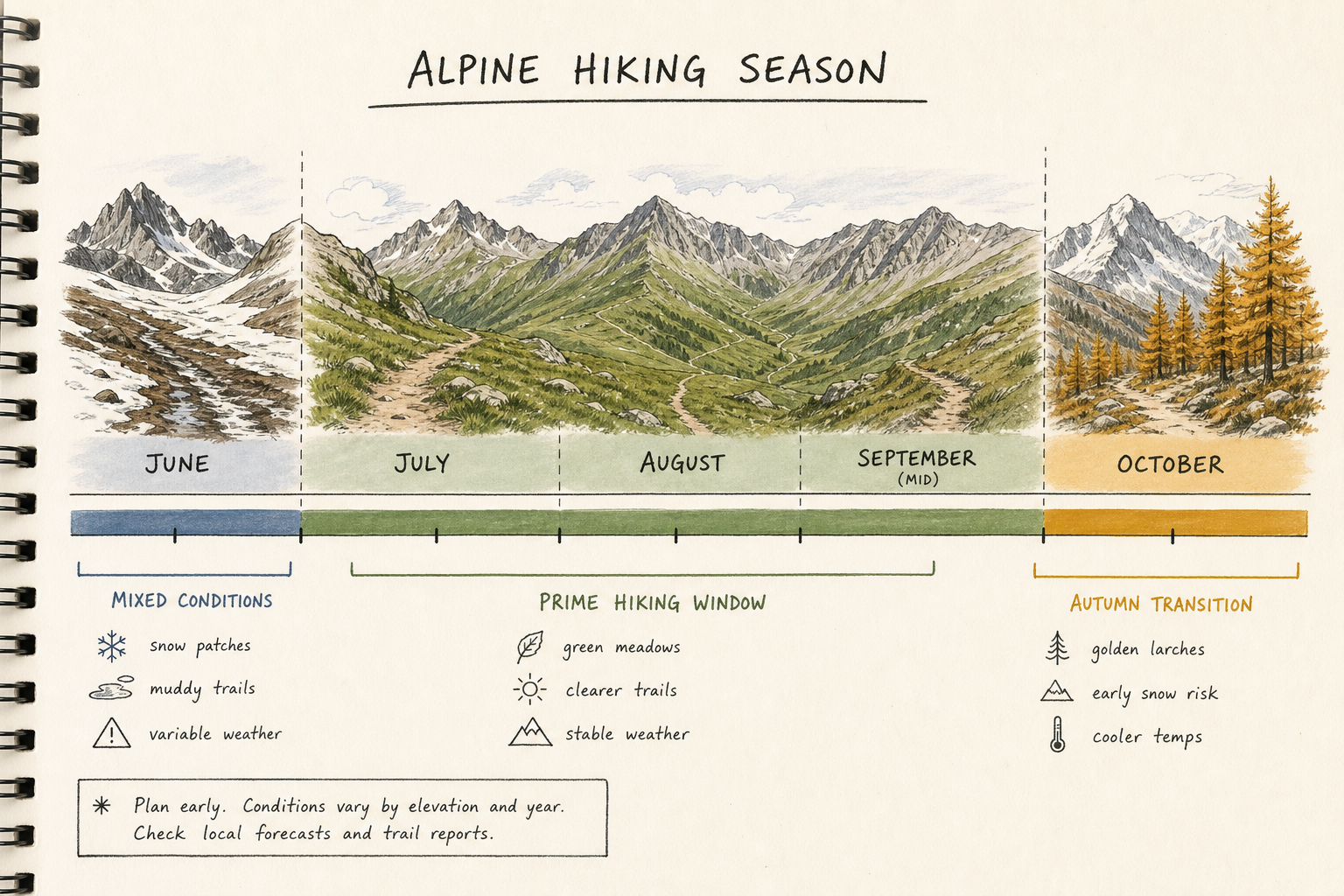
Located in the vast, sun-drenched Canton of Valais, this sprawling valley offers an incredible mix of alpine serenity and challenging treks [https://www.gonomad.com/1030-switzerland-hiking-in-the-land-of-sky]. While the lower valley is anchored by the famous ski resort of Verbier, the upper valley—the Haut Val de Bagnes—is a protected nature reserve that transforms into one of Europe’s premier hiking destinations from July to mid-September [https://www.gonomad.com/1030-switzerland-hiking-in-the-land-of-sky].
For solo international travelers, backpackers, and digital nomads, Val de Bagnes offers a perfect blend of high-altitude adventure and accessibility. But pulling off a trip here requires navigating Swiss logistics, mountain hut reservations, and transport networks.
This guide breaks down the best hiking routes in Val de Bagnes, compares hut-to-hut trekking with social basecamp models, and provides a blueprint for planning a seamless alpine holiday without breaking the bank.
Why Val de Bagnes Should Be on Your Alpine Radar
Most international visitors default to the Bernese Oberland or Zermatt for their first Swiss hiking trip. While those regions are spectacular, Val de Bagnes offers a distinctly wilder, less manicured experience.
Here, the landscape is dominated by the Grand Combin massif, a towering glaciated peak reaching 4,314 meters. The valleys are carved deep, the slopes are steep, and the local culture is fiercely proud of its agricultural roots (this is the birthplace of raclette cheese, after all).
What makes Val de Bagnes special for hikers is the sheer variety of terrain. You can start the day walking through dense larch forests, emerge into rolling alpine pastures dotted with Herens cattle, and finish your hike traversing rocky moraines alongside receding glaciers. Because it sits within a nature reserve, the region is uniquely untouched by heavy ski infrastructure once you move past the immediate Verbier sector.
The Wildlife Factor
If you want to see Alpine wildlife in its natural habitat, Val de Bagnes is arguably one of the best locations in the Alps. The region is famous for its thriving populations of marmots, ibex, and chamois. The chamois, a nimble mountain goat-antelope, is a spectacular sight; these animals can ascend 3,000 vertical feet of near-vertical mountain slope in just 15 minutes [https://www.alpenwild.com/staticpage/hidden-valais/]. While naturally elusive, the protected status of the Haut Val de Bagnes means patient hikers are frequently rewarded with sightings, especially in the early mornings or late afternoons.
The Logistics: Arriving as an International Solo Traveler
One of the biggest hurdles for solo travelers is getting from an international airport to a remote trailhead without paying exorbitant taxi fares. Fortunately, the Swiss public transit system is unparalleled.
1. The Airport: Geneva Airport (GVA) is the most efficient entry point for Val de Bagnes. Zurich (ZRH) is an option, but the train ride will be significantly longer.
2. The Train: From Geneva Airport, you can take a direct train to Martigny (about 1 hour and 45 minutes). From Martigny, a regional train (the Saint-Bernard Express) takes you up the valley to Le Châble.
3. The Final Leg: Le Châble serves as the transport hub for the valley. From here, you can take a gondola or a PostBus up to Verbier, or continue deeper into the valley via PostBus to trailheads at Fionnay or the Mauvoisin Dam.
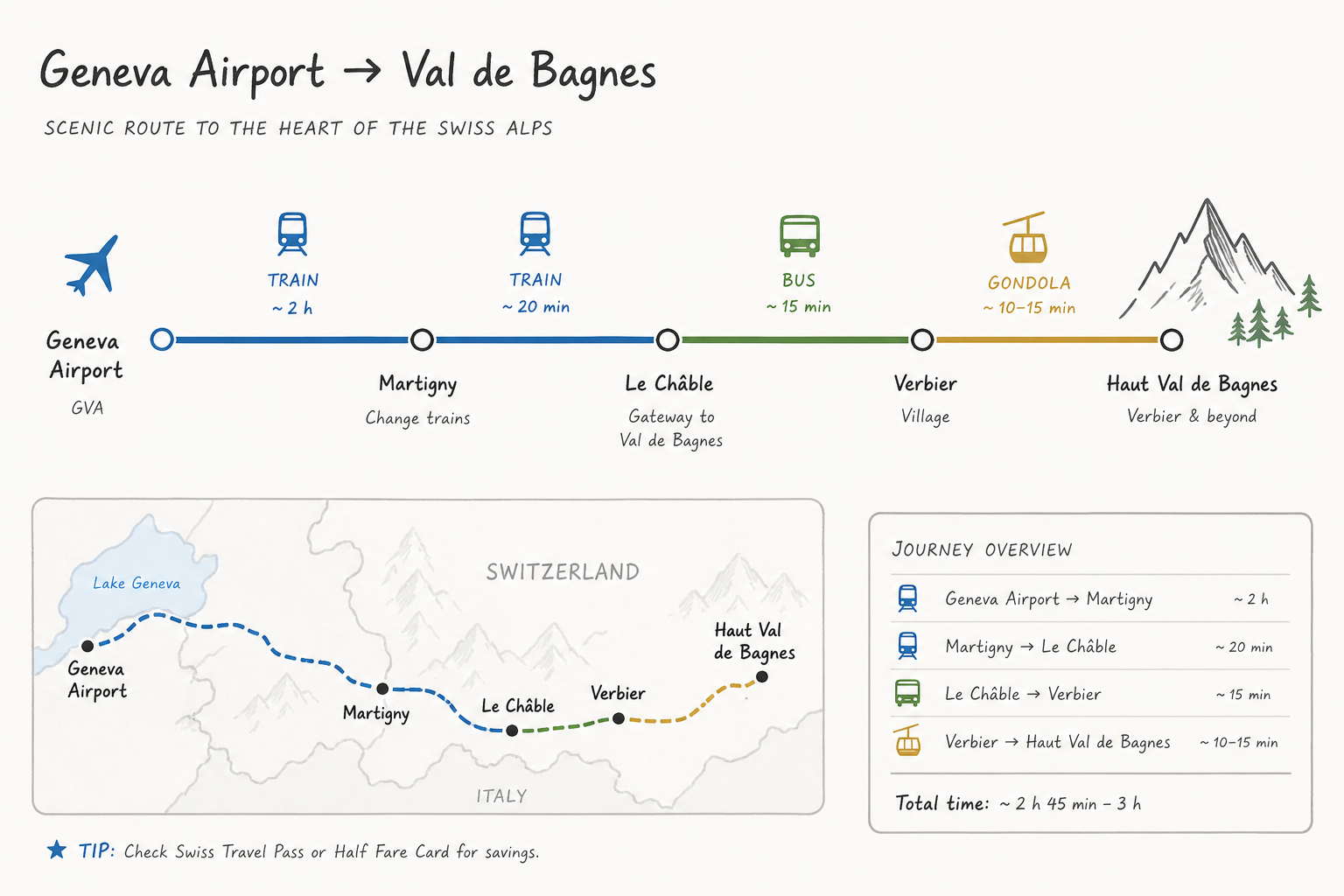
For solo travelers, managing these transfers while carrying a week’s worth of hiking gear can be stressful. This is why many budget-conscious hikers opt for organized basecamp packages. For example, staying at a dedicated mountain lodge like Hiking Hostel in the neighboring Liddes area often includes coordinated airport transfers and daily trail transport, entirely eliminating the stress of public transit schedules.
Trekking Styles: Hut-to-Hut vs. Basecamp Base
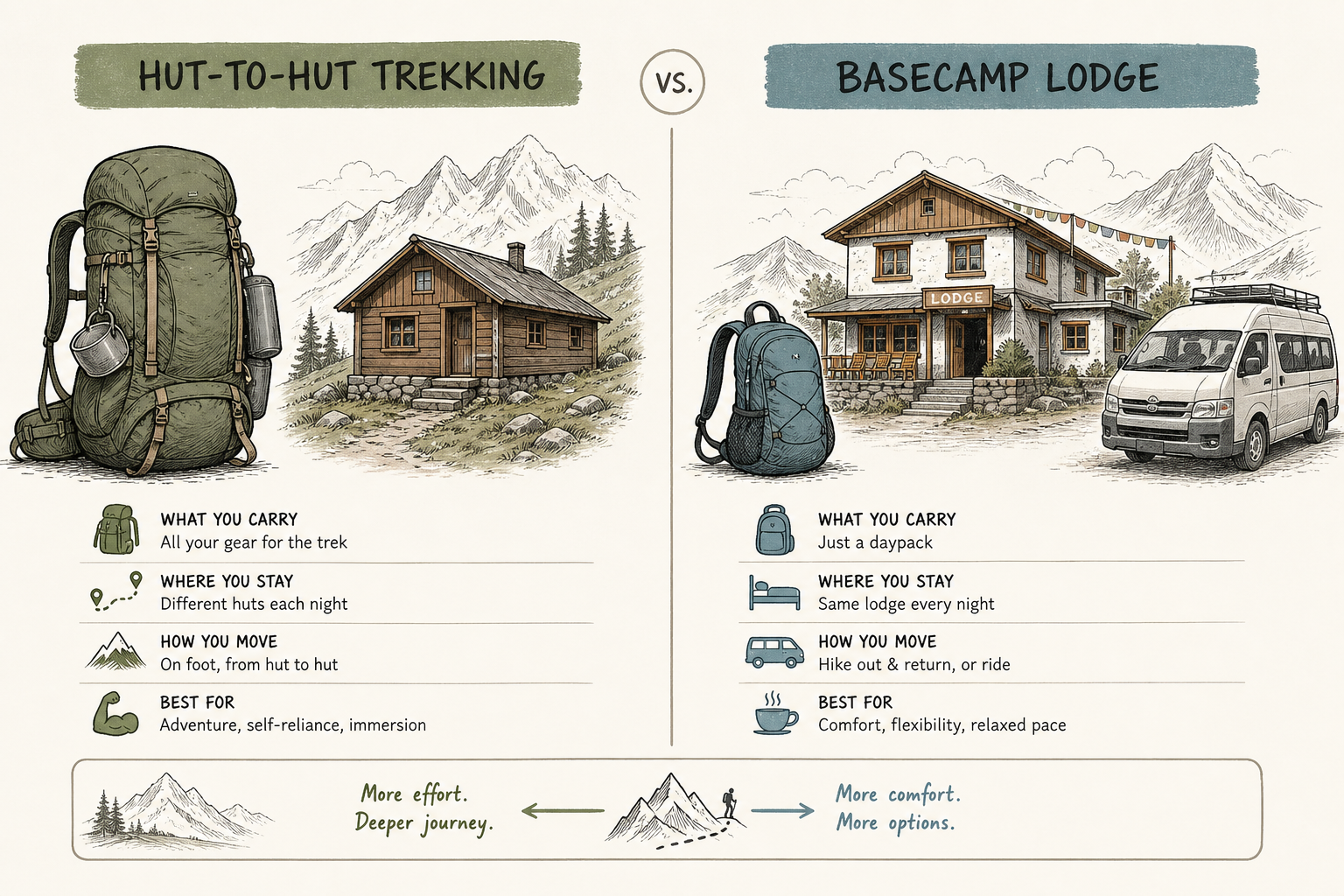
When planning a hiking holiday in Val de Bagnes, you have two primary ways to structure your trip: moving every day (hut-to-hut) or staying in one central location and doing daily excursions (basecamp).
Approach 1: The Multi-Day Hut-to-Hut Circuit
The most iconic way to experience the region is the Tour du Val de Bagnes. This challenging multi-day circuit takes you through one of the wildest parts of the Swiss Alps, completely detached from civilization [https://www.instagram.com/p/DWMmP04jG1V/].
Hikers typically complete the route over 4 to 6 days, sleeping at staffed mountain refuges perched high above the valley floor [https://57hours.com/adventure/5-day-hut-to-hut-switzerland-hiking/]. These cabins, such as Cabane de Louvie, Cabane Brunet, and Cabane FXB Panossière, offer dorm-style lodging, hearty communal dinners, and an undeniable sense of alpine camaraderie [https://57hours.com/adventure/5-day-hut-to-hut-switzerland-hiking/].
The Solo Traveler Tradeoffs:
- Pros: Deep immersion in nature; you wake up in the mountains; stunning sunrises and sunsets.
- Cons: High logistical friction. Huts must be booked months in advance. If you get sick, injured, or face severe thunderstorms, bailing out of a remote hut is difficult. You must carry all your gear on your back for the entire week.
If this style appeals to you, read our deep dive on How to Plan Hut to Hut Hiking in Switzerland (7 Tips) for booking strategies.
Approach 2: The Social Basecamp Model
For many international solo travelers, digital nomads, and younger backpackers, the “hub-and-spoke” basecamp model is superior. Instead of carrying a heavy pack from hut to hut, you establish a home base in a valley town and use transport to tackle different sections of the mountains each day.
This is the model championed by setups like Hiking Hostel. Operating from towns like Liddes (situated perfectly between the Mont Blanc massif and Val de Bagnes), these week-long hiking holidays provide hostel-style accommodation, daily meals, and organized transport to different trailheads.
The Solo Traveler Tradeoffs:
- Pros: You hike with a light daypack. You sleep in a comfortable bed every night. It is inherently social, allowing you to meet other solo travelers at dinner. Weather disruptions are easily handled by pivoting to a different trail or excursion.
- Cons: You don’t spend the night at 2,500 meters altitude.
For a solo traveler prioritizing community and budget, the basecamp model is hard to beat. Discover more about why this format thrives in our article Hotels in Swiss Mountains? Why Social Lodges Beat Luxury.
The Best Day Hikes in Val de Bagnes
Whether you are section-hiking the Tour du Val de Bagnes or driving in from a basecamp in Liddes, these are the standout trails that define the region.
1. Sentier des Chamois (Path of the Chamois)
Distance: ~14 km | Elevation Gain: +800m / -800m | Difficulty: Moderate to Challenging
If you have one day to experience the biodiversity and dramatic views of Val de Bagnes, the Sentier des Chamois is the objective. Starting high above Verbier (often accessed via the Ruinettes gondola), this balcony trail traverses the eastern flank of the valley toward the Cabane du Mont Fort and beyond to Lac de Louvie [https://www.explore-share.com/hiking-trips/switzerland/val-de-bagnes/].
The trail earned its name for a reason. As you move away from the ski infrastructure and into the protected reserve, the terrain becomes rockier and more isolated. This is prime habitat for chamois and ibex. The route requires sure-footedness, as some sections cross steep scree slopes, but the panoramic views across to the Mont Blanc massif and the Grand Combin are unmatched.
2. Lac de Louvie Circuit
Distance: ~12 km | Elevation Gain: +900m | Difficulty: Challenging
Lac de Louvie is a jewel of the Haut Val de Bagnes. Set in a rugged basin beneath the Grand Combin glacier, the lake’s striking turquoise water creates a vivid contrast against the grey granite and white ice above [https://www.instagram.com/p/DWMmP04jG1V/].
A popular route begins down in the valley at Fionnay. The ascent is relentless—a steep, continuous climb up a rocky path—but it is highly rewarding. Once at the lake, you can rest at the Cabane de Louvie, grab a slice of apricot tart, and watch the water. For an extended loop, strong hikers can continue over the Col du Bec d’Aigle, though this pushes the route into expert territory with significant exposure.
3. The Corbassière Glacier and Suspension Bridge
Distance: ~13 km | Elevation Gain: +750m | Difficulty: Moderate
Starting from the Brunet parking area (or Cabane Brunet), this hike takes you to the foot of one of the most impressive glaciers in the region. The highlight of the trek is crossing the Passerelle de Corbassière, a 190-meter-long steel suspension bridge that hangs 70 meters above the glacial moraine.
Crossing the bridge offers a thrilling, slightly dizzying perspective of the icefall from the Grand Combin. After the crossing, it is a short hike to the Cabane FXB Panossière, an ultra-modern, wood-clad refuge that feels like an eagle’s nest overlooking the ice.
4. The Mauvoisin Dam to Cabane de Chanrion
Distance: ~16 km | Elevation Gain: +600m | Difficulty: Moderate
At the very back of the Val de Bagnes sits the Mauvoisin Dam, one of the highest arch dams in the world. The hike begins by walking through tunnels carved into the rock alongside the dam’s massive reservoir. As you progress, the valley opens up into a vast, high-alpine wilderness that feels closer to the Himalayas than central Europe.
The trail eventually leads to the Cabane de Chanrion, a historic refuge situated in a rolling plateau of alpine meadows. This hike is less about steep, dramatic peaks and more about immense scale and deep isolation.
Understanding Trail Conditions and Seasonality
The Alps operate on a strict, brief summer schedule. While lower valleys might be warm in May, the Haut Val de Bagnes is a high-altitude environment.
- June: The lower trails around Verbier are generally clear, but high passes (above 2,400m) and northern exposures will still hold significant, dangerous snowpack. Most mountain huts are closed or operating on reduced hours.
- July to Mid-September: This is the prime window for hiking in Val de Bagnes [https://www.gonomad.com/1030-switzerland-hiking-in-the-land-of-sky]. All trails should be clear of snow, huts are fully staffed, and the postbus network operates on its maximum summer schedule.
- Late September to October: The landscape turns a brilliant gold as the larch trees change color. However, huts begin to close, and early snowstorms can abruptly end the hiking season. You must be entirely self-sufficient if hiking in October.
Budgeting for an Alpine Holiday
Switzerland’s reputation as an expensive destination is well-earned, but smart planning can drastically reduce costs, especially for solo travelers.
Here is a realistic look at where your money goes on a standard independent Swiss hiking trip:
| Expense Category | Independent Hut-to-Hut (Per Day) | Independent Hotel Base (Per Day) |
|---|---|---|
| Accommodation | 80 - 100 CHF (Half-board in dorm) | 120 - 180 CHF (Budget hotel) |
| Lunch & Snacks | 20 - 30 CHF (Hut lunch/picnic) | 25 - 40 CHF (Restaurant/picnic) |
| Local Transport | 0 - 20 CHF (If walking point-to-point) | 30 - 60 CHF (Buses/Cable cars) |
| Total Estimated | ~100 - 150 CHF / day | ~175 - 280 CHF / day |
Note: Independent travel also incurs hidden costs like luggage transfer services (if you don’t want to carry a 40-liter pack) and the high cost of international train transit.
The All-Inclusive Backpacker Alternative
If those numbers look steep, this is exactly where organized, social hiking models shine. By booking a week-long package with a provider like Hiking Hostel, the major variables—bed, breakfast, dinner, and daily trail transport—are locked into a single budget-friendly price.
You trade the absolute freedom of independent wandering for the financial security, social environment, and logistical ease of a guided group. For an in-depth look at hacking the Swiss price tag, read our 7 Tips for Hiking in Switzerland (Without the High Cost).
Packing for Val de Bagnes: The Solo Hiker’s System
The weather in the Valais Alps is famously sunny, but high-altitude environments are inherently volatile. A blue-sky morning at the Mauvoisin Dam can turn into a violent, freezing thunderstorm by 3:00 PM.
For international travelers trying to fit their life into a carry-on or a standard backpacking pack, ruthless efficiency is required.
The Core System:
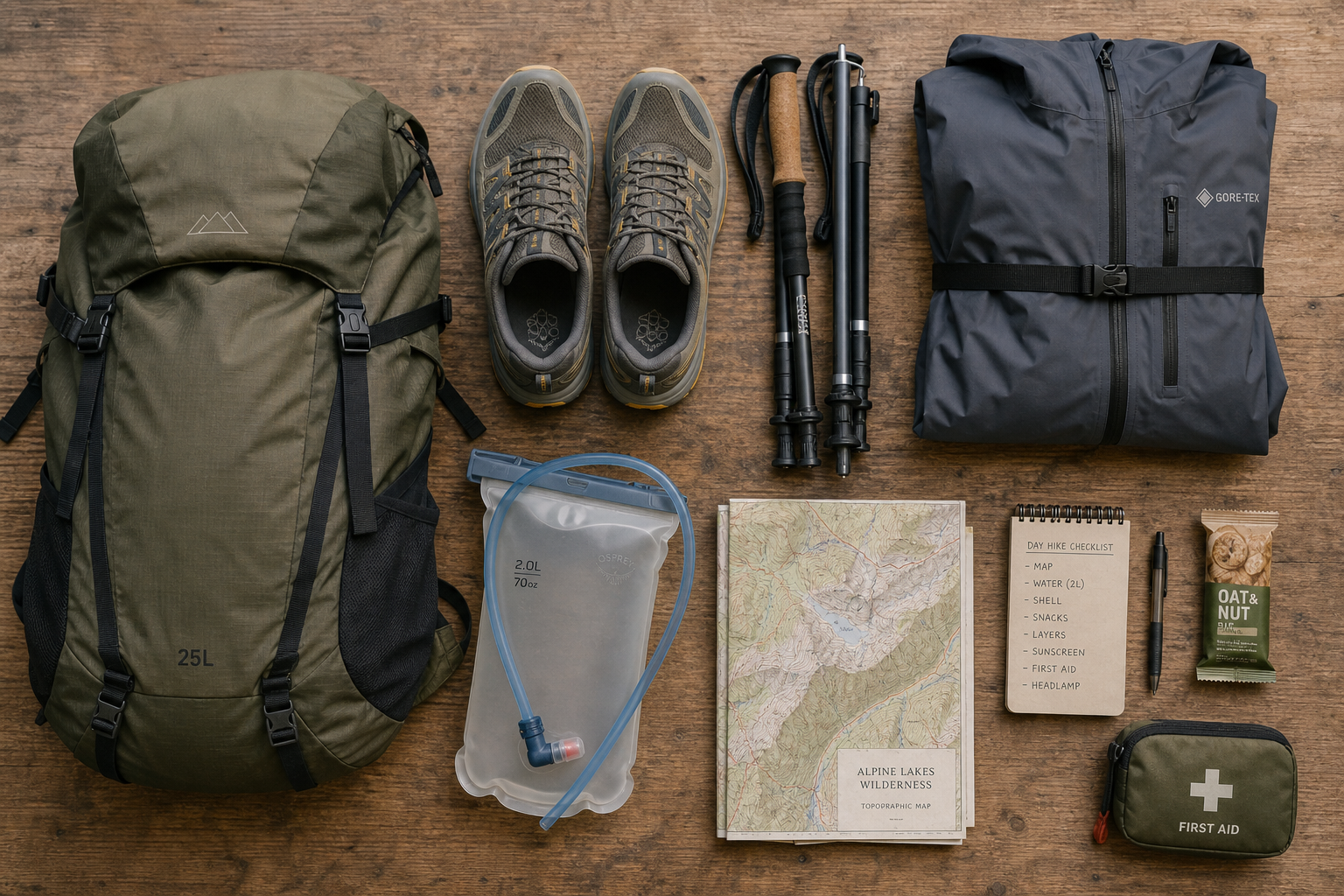
- Footwear: Ditch the heavy leather mountaineering boots unless you are doing glacial traverses. For trails like the Sentier des Chamois, sturdy, waterproof trail running shoes or lightweight mid-cut hiking boots are ideal.
- The Layering Engine: Bring a moisture-wicking base layer (merino wool resists odor for multi-day use), a breathable mid-layer (fleece), and a high-quality, lightweight Gore-Tex hardshell. Do not bring heavy cotton hoodies or bulky winter coats.
- Trekking Poles: The descents in Val de Bagnes are punishing on the knees. Collapsible trekking poles are non-negotiable for trails dropping 1,000+ meters over rough rock.
- Daypack Essentials: If you are basecamping, a 20-30L daypack is sufficient. It must hold 2 liters of water, your layers, a first aid kit, snacks, and a physical map (do not rely entirely on your phone battery in the cold).
For a complete gear breakdown, check out our Swiss Alps Summer: A Simple 5-Step Packing Guide.
Finding Your Group: The Social Element of Swiss Hiking
Solo travel is incredibly rewarding, but hiking alone in remote alpine environments carries inherent risks. A rolled ankle on the Sentier des Chamois late in the afternoon is a serious emergency if no one else is on the trail.
Beyond safety, the social element of sharing a demanding physical challenge is a highlight of any mountain trip. Sharing a beer on a sun terrace after climbing 1,000 vertical meters is a universal language.
If you want the social experience without forcing small talk in crowded youth hostels, look for organized group hiking weeks. Joining a cohort of 10-15 like-minded backpackers, digital nomads, and budget-conscious travelers ensures you have trail buddies during the day and a lively dinner table at night. We discuss the dynamics of these group trips in Guided Hiking in Switzerland: Finding Your Social Group.
Extending Your Trip: Nearby Excursions
If you are basing yourself in the Val de Bagnes or neighboring Val d’Entremont (like Liddes), you are perfectly positioned to execute world-class day excursions. You are not trapped in a single valley.
Chamonix and Mont Blanc: Just over the border in France lies Chamonix, the birthplace of modern alpinism. A guided excursion here offers a stark contrast to the quiet of Val de Bagnes. You can take the Aiguille du Midi cable car for staggering views of Mont Blanc. Learn more in 5 Best Hiking Trails in Switzerland Near Mont Blanc.
Aosta Valley, Italy: Driving south over the Great St. Bernard Pass drops you into Italy’s Aosta Valley. The culture shifts immediately—espresso, pasta, and the rugged southern face of the Alps. It’s a spectacular change of pace. While famous for winter sports, the summer hiking is equally profound. (Curious about the region? Read Mountain Mont Blanc: 7 Ways to Visit Without the Crowd).
Frequently Asked Questions
Do I need to speak French to hike in Val de Bagnes?
While Val de Bagnes is in the French-speaking part of the Valais canton, English is widely spoken in the main hubs like Verbier and Le Châble. However, as you move to remote mountain huts, English proficiency drops. Learning a few basic French phrases for greetings and ordering food goes a long way. If you join an organized international hiking group, your guides will handle the language barriers.
Is the Tour du Val de Bagnes technically difficult?
The standard hiking routes do not require ropes, harnesses, or mountaineering experience. However, they are physically demanding. You must be comfortable walking on uneven, rocky trails, crossing narrow suspension bridges, and dealing with steep drop-offs. If you suffer from severe vertigo, trails near the Corbassière Glacier might be challenging.
Are the trails dangerously crowded?
Unlike the main trails around Zermatt or Grindelwald, the Haut Val de Bagnes remains relatively quiet. The Sentier des Chamois can see moderate traffic in peak August, but once you step off the main circuits, you may hike for hours without passing another group.
Planning Your Next Move
Hiking in Val de Bagnes is an immersion into the rugged, authentic heart of the Swiss Alps. For the international solo traveler, the choice comes down to logistics. You can spend weeks securing hut reservations, mapping public transit, and balancing heavy backpacks, or you can leverage a basecamp model that handles the friction for you.
By establishing a comfortable, social home base in the region, you free up all your energy for what actually matters: ascending high alpine passes, spotting elusive wildlife, and taking in the staggering beauty of the Grand Combin.