Best Swiss hiking hostels for solo travelers
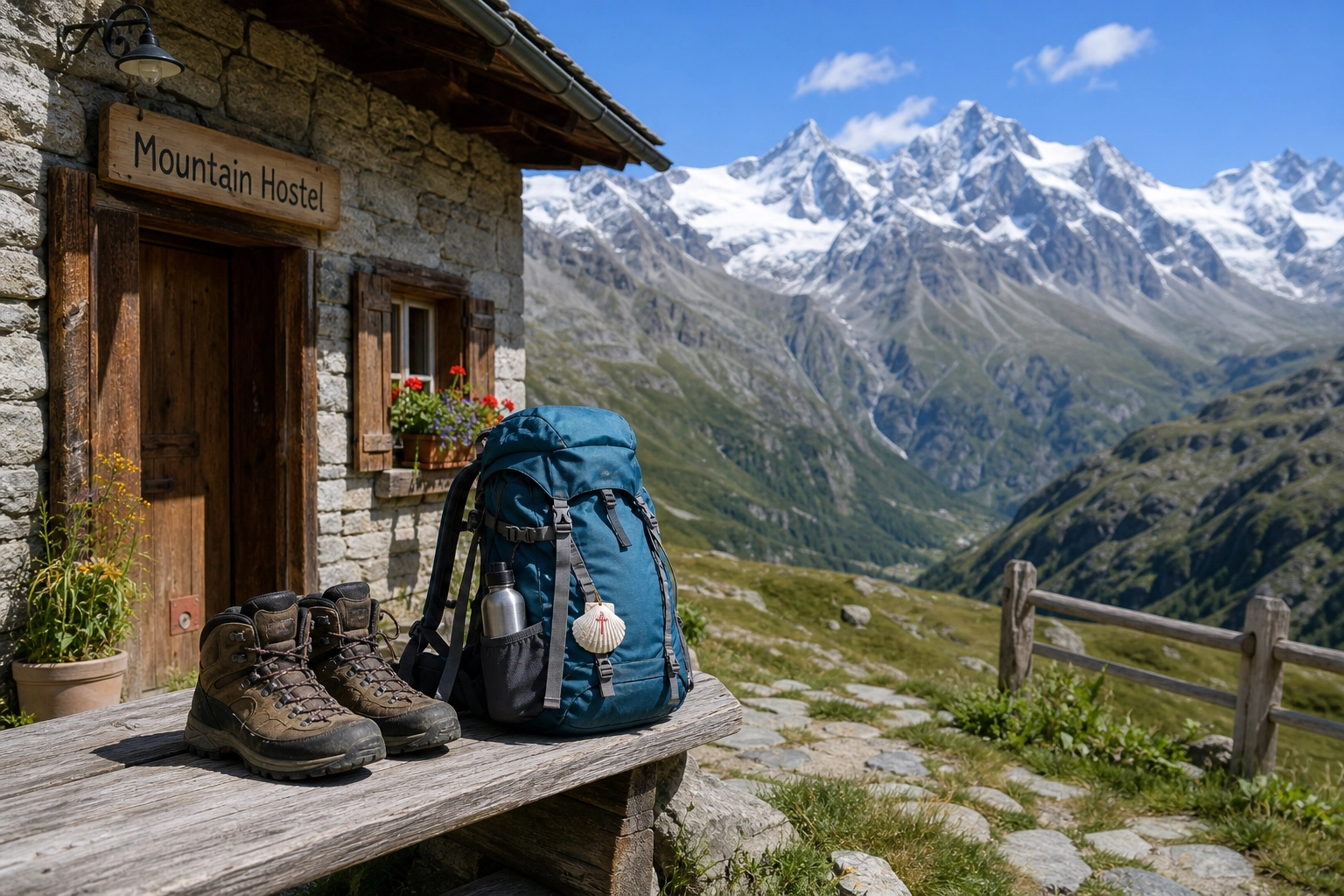
You have stared at the Swiss topographical maps. You know you want to hike the Alps. But when you start calculating the cost of mountain trains, solitary hut bookings, and daily food, the logistics of a solo Swiss hiking trip quickly turn into a part-time job.
Switzerland is widely considered the holy grail of alpine backpacking, but it is also notoriously expensive and logistically complex. Navigating the SBB train system, timing your descent to catch the last Postbus, and trying to secure a bed in a crowded mountain hut can overwhelm even experienced solo backpackers.
For decades, the default solution has been independent hostel hopping. You book a cheap bed, buy your groceries at Coop or Migros, and plan your own daily routes. But recently, a new model has emerged: organized social hiking hostels designed specifically for solo travelers who want the community of a hostel without the exhausting daily logistics.
Whether you want to build your own itinerary using traditional backpacker lodges or join a guided, week-long alpine experience, this guide breaks down the best hiking hostels in Switzerland for solo backpackers and helps you decide which travel style fits your budget and goals.
The Reality of Solo Backpacking in the Swiss Alps
Traveling solo in Switzerland offers unparalleled freedom. As noted by solo travel experts, while many aspects of Switzerland are pricey, the actual hiking is free. You do not need permits to walk the vast network of yellow-signposted trails.
However, the “free” trails come with heavy peripheral costs:
- Transport: Getting to the trailhead often requires a combination of trains, funiculars, and buses.
- Food: A simple hot meal at a mountain restaurant can easily exceed 30 CHF.
- Accommodation: Private hotel rooms in mountain resorts quickly drain a backpacker’s budget.
To mitigate these costs, solo travelers turn to hostels. But a bed is only half the equation. The real challenge of solo alpine hiking is isolation. Hiking alone on remote trails carries inherent safety risks, and navigating the vast trail network requires serious daily route planning. This is why many solo travelers actively seek out guided hiking in switzerland to find a reliable social group.
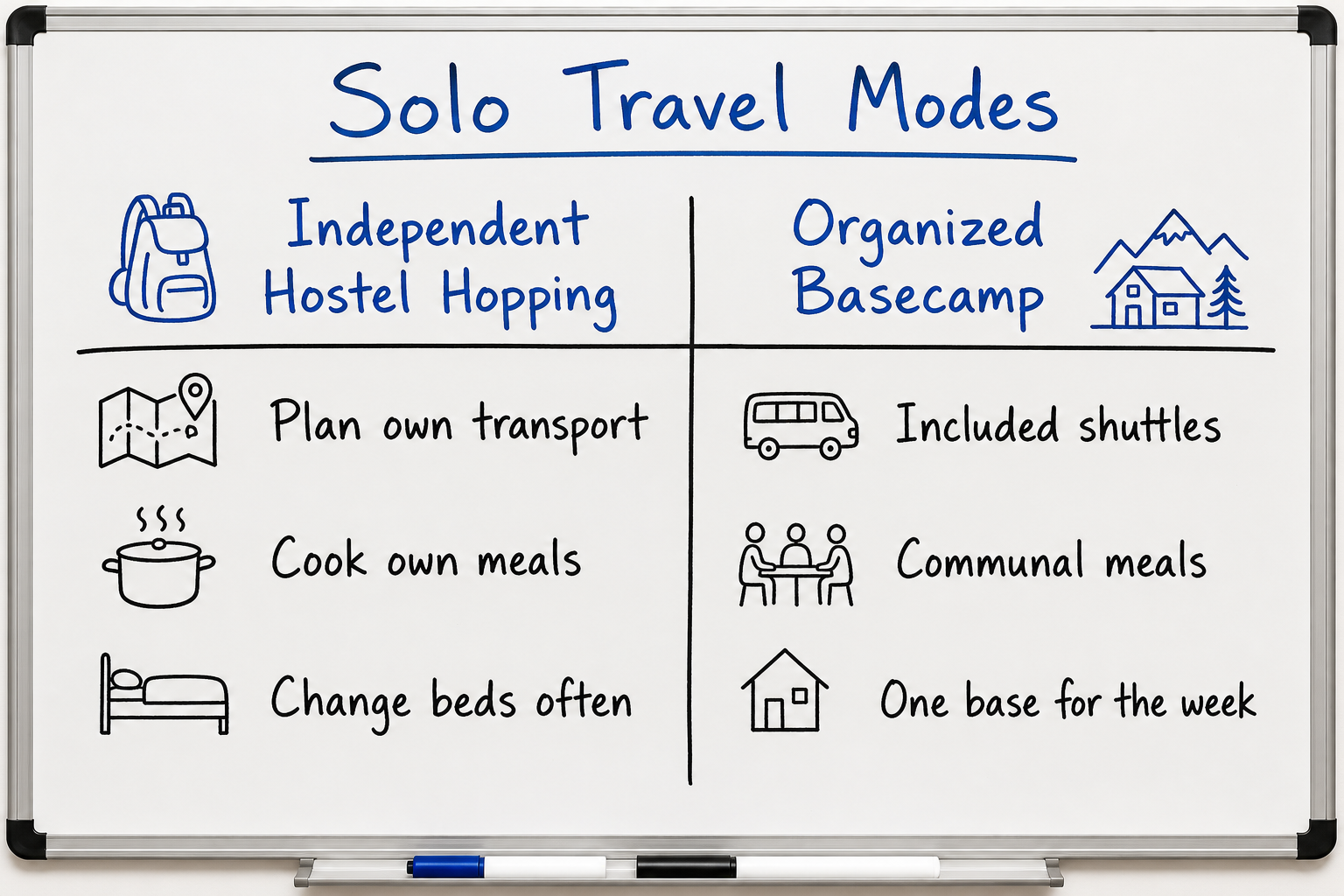
Two Paths: Independent Hostel Hopping vs. Organized Basecamps
Before diving into specific locations, you need to decide how you want to structure your trip. There are two primary ways solo travelers utilize hostels in Switzerland.
1. The Independent Route (DIY)
This is the traditional backpacking approach. You use sites like Orbitz to find cheap youth hostels in various towns. You carry your full backpack from town to town, plan your own daily hikes, buy your own train tickets, and cook your own meals in communal kitchens.
Pros:
- Maximum flexibility to change plans based on weather.
- Can be the absolute cheapest option if you strictly eat supermarket pasta and avoid cable cars.
Cons:
- High logistical burden (constantly checking train schedules).
- Difficult to build lasting friendships when everyone checks out after two days.
- Wasting valuable daylight hours relocating between towns.
2. The Organized Basecamp Route (The Hiking Hostel Model)
Instead of moving every two days, you book a week-long package at a dedicated hiking hostel. In this model—like the summer packages offered by Hiking Hostel—your accommodation, meals, airport transfers, and daily trail transport are all included. You unpack once.
Pros:
- Zero logistical stress. Trail transport and excursions (like a skiing in the italian alps Aosta day trip or summer glacier visits) are organized for you.
- Instant community. You spend a full week with the same group of solo travelers, backpackers, and digital nomads.
- Fixed costs. You know exactly what your week will cost upfront.
Cons:
- Less itinerary flexibility. You follow the lodge’s curated weekly schedule.
- Requires committing to one or two regions (like Liddes or St. Stephan) for the week.
Best hiking hostels in Switzerland for solo backpackers
If you choose the independent route, selecting the right hostel is critical. You need places that cater specifically to outdoor enthusiasts, not just city tourists. Based on backpacker consensus and reviews from platforms like Tripadvisor and Reddit, here are some of the top-rated independent mountain hostels.
1. Mountain Hostel Gimmelwald (Bernese Oberland)
Often cited as a favorite on Reddit’s solo travel communities, the Mountain Hostel in Gimmelwald is iconic. Located in a car-free village perched on a cliffside above the Lauterbrunnen valley, it offers a purely rustic, highly social atmosphere.
- Vibe: Unplugged, rustic, and communal. Expect evening guitar sessions and shared beers facing the Jungfrau massif.
- Trail Access: Step out the front door and you are immediately on trails leading to the Sefinenfurgge pass or the Schilthorn.
- Drawback: It is heavily booked months in advance, and getting groceries requires a cable car trip down to the valley.
2. Balmers Hostel (Interlaken)
As the oldest private hostel in Switzerland, Balmers is an institution. Interlaken serves as the gateway to the Bernese Oberland, making this a strategic, if busy, hub.
- Vibe: High-energy, party-friendly, and very social. It is easy to find hiking partners here.
- Trail Access: Excellent bus and train connections to Lauterbrunnen, Grindelwald, and Harder Kulm.
- Drawback: It caters heavily to the extreme sports and party crowd. If you want a quiet alpine start at 6:00 AM, the late-night noise might be disruptive.
3. Backpackers Villa Sonnenhof (Interlaken)
If Balmers is too loud, Sonnenhof is the refined alternative. It consistently ranks high for cleanliness, organization, and traveler amenities.
- Vibe: Calm, organized, and international.
- Trail Access: Central Interlaken location means you have immediate access to both Lake Thun and Lake Brienz, plus train access into the high Alps.
- Drawback: Interlaken itself is not a mountain village; it is a bustling tourist town. You will need to commute 30-45 minutes daily to reach the actual alpine trailheads.
4. Zermatt Youth Hostel (Valais)
Seeing the Matterhorn is a bucket-list item, but Zermatt’s hotel prices are staggering. The local Youth Hostel (part of the Swiss Youth Hostels association) makes this region accessible to backpackers.
- Vibe: Functional, clean, and dominated by serious hikers and climbers.
- Trail Access: Unbeatable. You can walk straight to the trailheads for the Five Lakes Walk or the Hörnlihutte.
- Drawback: Institutional feel. It lacks the cozy, independent charm of smaller lodges, and meals can feel like a school cafeteria.
5. Valley Hostel (Lauterbrunnen)
Situated right in the valley of 72 waterfalls, this hostel offers spectacular views right from the balconies.
- Vibe: Relaxed, scenic, and heavily populated by solo backpackers.
- Trail Access: Direct access to the valley floor walks and funiculars up to Mürren or Wengen.
- Drawback: Lauterbrunnen suffers from severe overtourism during peak summer months. The trails immediately surrounding the hostel can feel like a theme park.
The “Organized Social Hostel” Alternative: Why Basecamps Beat Hopping
While hopping between the hostels listed above is a classic rite of passage, a growing number of solo travelers are realizing that hotels in swiss mountains and traditional independent hostels leave a lot of logistical work on the table.
If you want to spend your week actually hiking rather than reading SBB timetables, an organized basecamp model is superior.
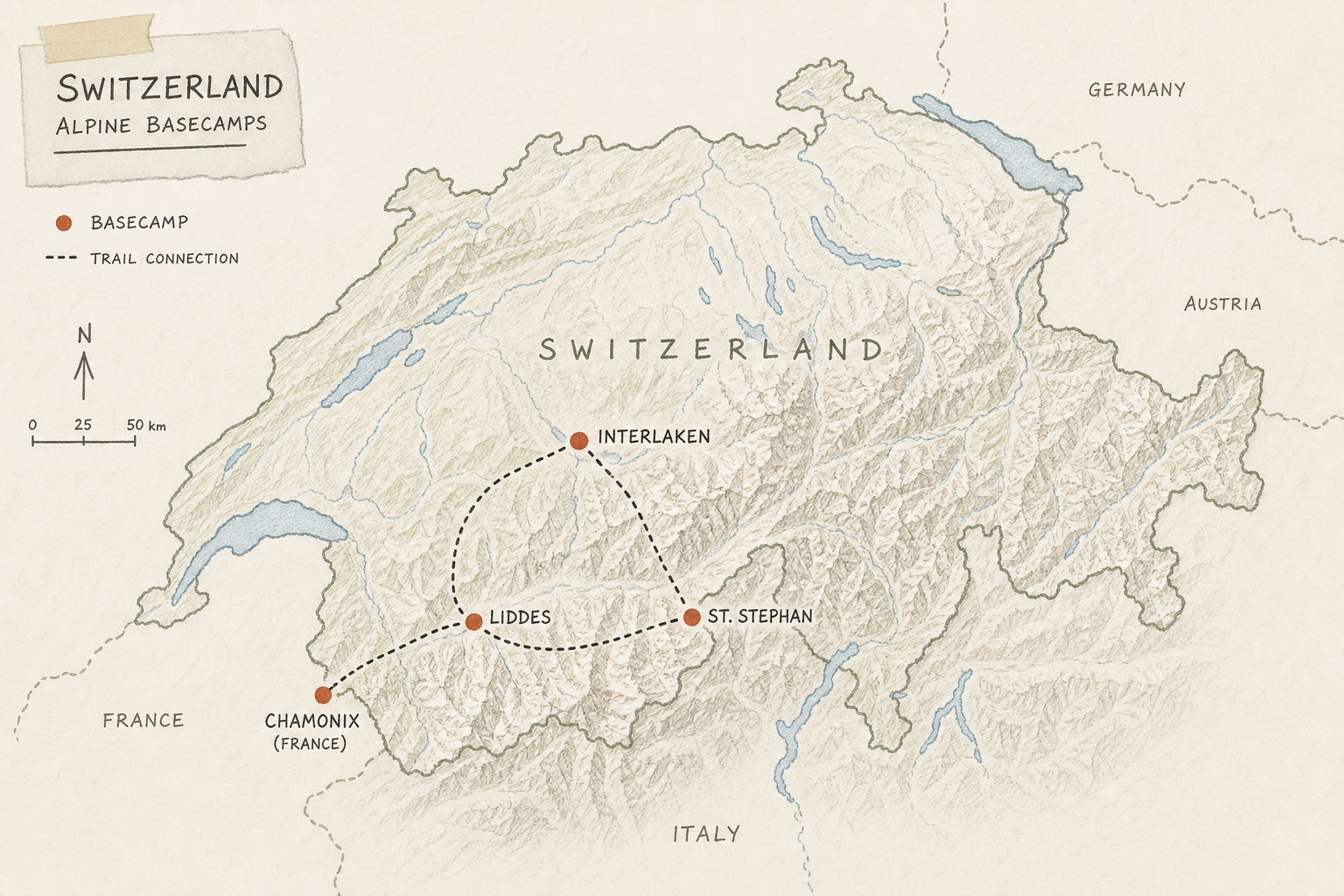
Hiking Hostel operates on this exact premise. Instead of leaving you to fend for yourself, they provide a structured, week-long summer holiday based in key alpine hubs like Liddes (Valais) and St. Stephan (Bernese Oberland).
How the Basecamp Model Works for Solo Travelers
- Logistics are Erased: Your holiday starts with an airport transfer. You do not have to navigate the complex Swiss rail network with heavy luggage.
- Built-in Community: You arrive with a group of like-minded solo travelers, digital nomads, and budget-conscious hikers. You eat communal breakfasts and dinners together, naturally forming a trail family without the awkwardness of approaching strangers in a standard hostel kitchen.
- Strategic Excursions: Independent travelers often miss out on cross-border trails due to complicated public transport. An organized basecamp provides daily trail transport, allowing for curated excursions. From a base in Liddes, you can easily access the best hiking trail in switzerland near the Mont Blanc massif, or take an organized trip to Chamonix.
- Cost Certainty: With independent hostels, a “cheap” day can easily turn into a 150 CHF day if you miscalculate a cable car fare or have to buy dinner at a mountain restaurant. With an organized week, accommodation, meals, and transport are bundled, protecting your budget.
Best Regions to Base Yourself for Solo Swiss Hiking
Whether you go independent or organized, choosing the right region is the most important decision you will make. Trying to see the whole country in a week guarantees you will spend more time on trains than on trails.
The Valais Region (Liddes, Zermatt, Arolla)
Best for: High-altitude drama, glaciers, and cross-border excursions.
The Valais is home to Switzerland’s highest peaks, including the Matterhorn and the Swiss side of the Mont Blanc massif. Basing yourself in a town like Liddes offers an incredible strategic advantage. It sits on the historic Via Francigena route and provides a quieter, more authentic alpine experience than Zermatt.
From a Valais base, solo travelers can easily access high-alpine terrain and even jump across the borders. For example, when you want to see mountain mont blanc without the crushing crowds of Chamonix center, approaching from the Swiss side via organized transport is ideal.
The Bernese Oberland (St. Stephan, Interlaken, Grindelwald)
Best for: Classic Swiss scenery, lush green valleys, and iconic rail journeys.
The Bernese Oberland is what most people picture when they think of Switzerland: wooden chalets, cowbells, and the towering Eiger, Mönch, and Jungfrau peaks. While Interlaken and Lauterbrunnen are the famous independent hubs, they are often overrun.
Basing yourself in a slightly offset village like St. Stephan offers the perfect compromise. You are deeply embedded in authentic alpine culture, yet you have organized access to major attractions like Glacier 3000, Gstaad, and the wider Interlaken trail network.
What to Look for in a Swiss Hiking Hostel (A Solo Traveler’s Checklist)
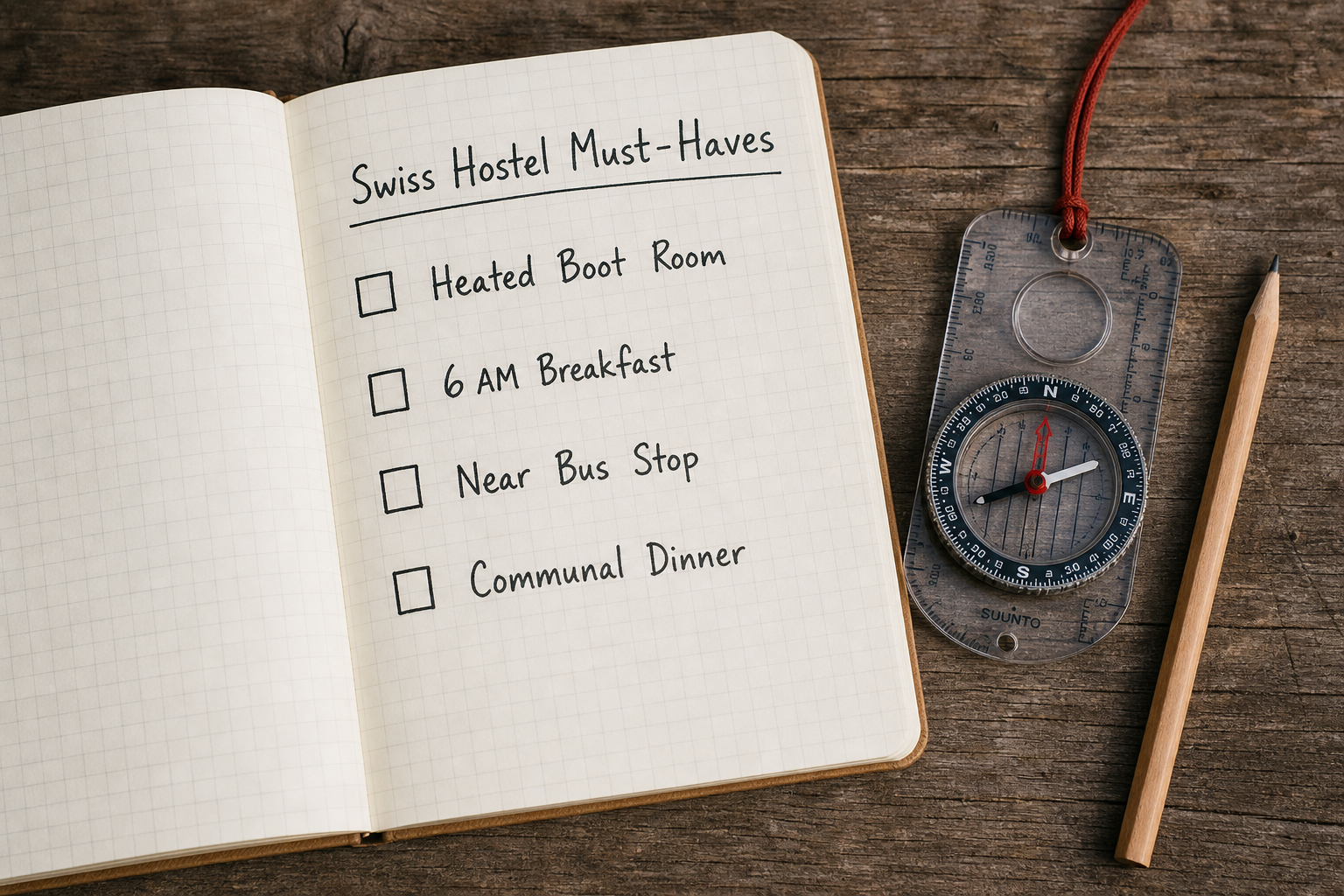
If you decide to build your own itinerary, do not just book the cheapest bed you find on an aggregator site. A true hiker’s hostel needs specific infrastructure. When reading reviews or checking Facebook groups for recommendations, filter your choices using this checklist:
- The Drying Room (Schuhraum): This is non-negotiable. Swiss summer weather is famously unpredictable. If you get caught in a thunderstorm, you need a dedicated, heated room with boot dryers. Keeping wet, muddy boots in a 6-bed dorm room is a fast way to make enemies.
- Early Breakfast Hours: Alpinists start early. If a hostel does not serve breakfast until 8:00 AM, it is catering to city tourists, not hikers. You need access to coffee and calories by 6:00 AM to beat the afternoon clouds.
- Proximity to the Postbus / SBB Station: Your hostel should be less than a 10-minute walk from public transport. After a 20-kilometer hike with 1,500 meters of elevation gain, you will resent every extra step it takes to reach your bed.
- Communal Dinners or Well-Equipped Kitchens: Eating out in Switzerland is budget-ruining. Look for hostels that offer an affordable communal dinner (often called a Halbpension or half-board option) or have a massive, clean kitchen with labeled fridge space.
- Lockers and Gear Storage: You will likely check out of your room at 9:00 AM but won’t catch your train until 5:00 PM. The hostel must have secure luggage storage so you can hike unencumbered on your transition days.
Hut-to-Hut vs. Basecamp Hostels
Many solo backpackers arrive in Switzerland intending to do a multi-day hut-to-hut trek (like the Walker’s Haute Route). While romantic, this style of travel requires intense planning.
If you want to know hut to hut hiking in switzerland, you must understand that SAC (Swiss Alpine Club) huts require reservations months in advance. They offer dormitory-style sleeping, but they are highly rigid. If bad weather rolls in, you cannot easily cancel or shift your itinerary—you either hike through the storm or lose your money and your bed.
Basecamp hostels—whether independent or organized—remove this pressure. By keeping a single bed for the week, you can choose your daily hikes based on the weather. If it rains in the high passes, you can take a lower valley walk. If you are exhausted, you can take a rest day without disrupting a delicate chain of reservations.
Budgeting: Can You Actually Hike Switzerland on a Budget?
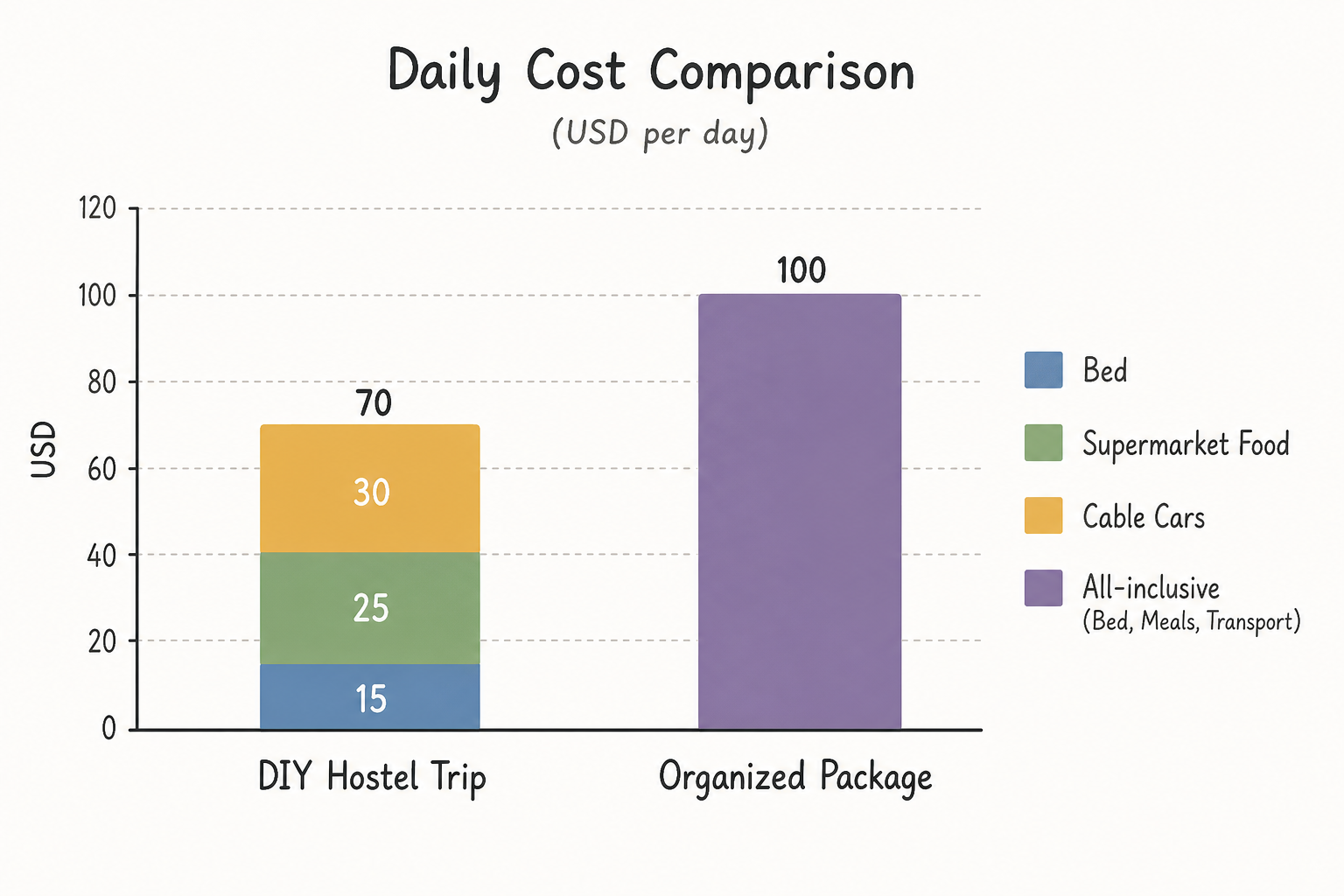
Yes, but you have to be disciplined. Here is a realistic breakdown of what independent solo backpackers spend per day in Switzerland, compared to a packaged approach.
The Independent Daily Budget (Approximate)
- Hostel Dorm Bed: 45 - 65 CHF
- Supermarket Food (3 meals + trail snacks): 25 - 35 CHF
- Transport (Assuming a Half-Fare Card): 20 - 50 CHF (Cable cars are expensive, even at half price)
- Total Independent Cost: roughly 90 - 150 CHF per day.
Hidden costs to watch out for: Buying a required Swiss Travel Pass (which can cost hundreds of francs upfront), paying for luggage lockers, and the inevitable day you are too tired to cook and spend 35 CHF on a basic pizza.
The Organized Package Value
When you book a week-long package with a provider like Hiking Hostel, the upfront cost might seem higher than booking a single hostel bed, but it encompasses everything: accommodation, hearty meals suited for hikers, daily trail drop-offs, airport transfers, and organized excursions.
For many digital nomads and budget-conscious travelers, locking in a fixed price for the week actually ends up cheaper than the independent route, simply because it eliminates the expensive logistical mistakes solo travelers inevitably make.
Packing for a Swiss Hostel Trip
Packing for a hostel is different from packing for a hotel. Space is limited, and etiquette matters. When preparing for a swiss alps summer, make sure you bring these hostel-specific essentials:
- Indoor Shoes / Slippers: It is strictly forbidden to wear hiking boots inside Swiss hostels and mountain huts. Bring lightweight crocs, slides, or slippers to wear indoors.
- A Silk Sleeping Liner: While basecamp hostels provide full bedding, if you plan to spend a night in an SAC mountain hut, a sleeping liner is mandatory for hygiene reasons.
- High-Quality Earplugs and an Eye Mask: You are sharing space with people who pack rustling plastic bags at 5:00 AM and others who snore through the night.
- A European Plug Adapter and Power Bank: Older rustic hostels often have limited wall outlets. A high-capacity power bank ensures your phone (and your trail map) is always charged.
- A Padlock: Secure your valuables when you leave for the day.
Tip: If you are combining your hiking trip with a mountain bike group excursion, confirm ahead of time that your hostel has secure overnight bike storage, as bike theft in tourist hubs can occur.
Frequently Asked Questions for Solo Backpackers
How do I meet other hikers if I travel solo?
If you stay at a traditional independent hostel, hang out in the communal kitchen during the dinner rush (6:00 PM - 7:30 PM). Ask people about trail conditions—it is the easiest icebreaker. Alternatively, booking an organized hiking holiday guarantees you a built-in group from day one.
Are Swiss hiking hostels safe for solo female travelers?
Switzerland is consistently ranked as one of the safest countries in the world for solo female travelers. Hostels are well-regulated, secure, and generally foster a respectful, outdoor-focused culture. Many hostels also offer female-only dorms if you prefer extra privacy.
Do I need to be an expert mountaineer to join an organized hiking week?
Not at all. Organized hiking basecamps cater to various fitness levels. Because you are not carrying a heavy 65-liter backpack from town to town (you only carry a daypack), you have more energy to tackle the trails. Guides and hosts can suggest routes ranging from leisurely lake walks to challenging alpine ascents.
When is the best time to visit Swiss hiking hostels?
The main hiking season runs from late June to late September. In June, you may still encounter snow on high passes. July and August offer the best weather but the highest crowds. September is often considered the sweet spot: crisp air, clear skies, and a calmer atmosphere in the hostels.
Finding Your Perfect Alpine Experience
Solo travel does not have to mean solitary travel, and hiking in Switzerland does not have to drain your life savings.
If you thrive on spontaneity, love planning public transport routes, and want to bounce from the Bernese Oberland to the Valais on a whim, plotting your own route through independent lodges is a fantastic adventure.
But if you want to focus entirely on the mountains—waking up to a prepared breakfast, jumping into a provided shuttle, and hiking world-class trails with a ready-made group of friends—an organized basecamp is the smarter choice. By removing the friction of planning, you get to experience the sheer joy of hiking in switzerland the way it was meant to be experienced: stress-free, social, and spectacular.
If you are ready to trade public transport timetables for guided alpine excursions, consider joining a week-long summer hiking holiday with a dedicated hiking hostel. The mountains are waiting, and you don’t have to navigate them alone.