What Are Ski Hostels? (And Why They Beat Hotels)
If you have tried to book a ski trip in the Swiss Alps recently, you have likely experienced sticker shock. Between $400-a-night basic hotel rooms, overpriced resort dining, and the logistical nightmare of coordinating mountain transport, traditional ski holidays are rapidly pricing out the average rider.
But a shift is happening in mountain tourism.
Instead of paying a premium for a sterile luxury room where you barely spend any time, a growing demographic of skiers, snowboarders, and alpine hikers are turning to a vastly different model: the modern ski hostel.
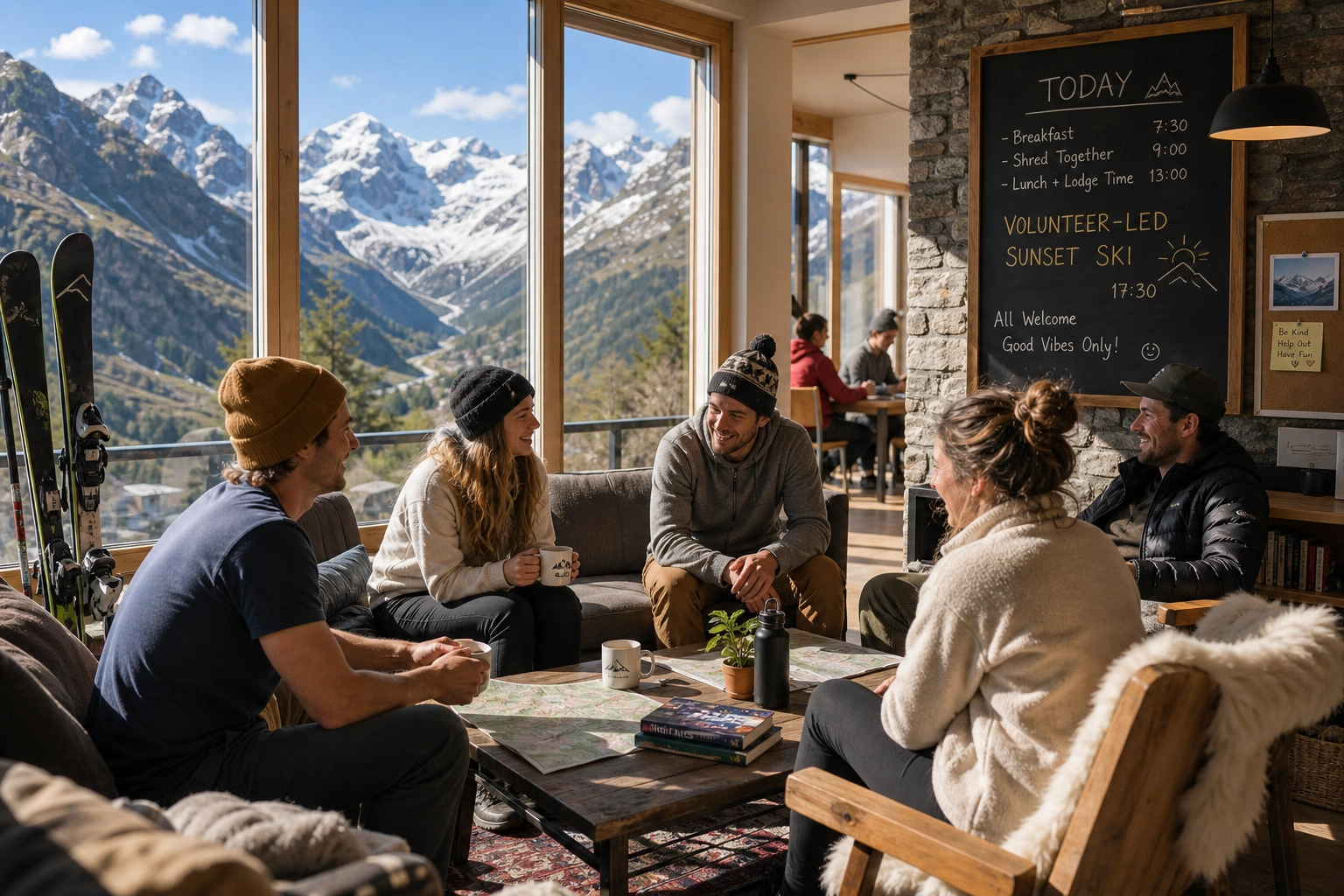
Ski hostels are not the cramped, noisy backpacker dorms of the 1990s. Today, they are community-driven adventure lodges designed specifically for outdoor enthusiasts. They combine the social connectivity of a shared space with the logistical support of a guided tour, often outperforming traditional hotels in both value and experience.
Whether you are a solo traveler looking for a crew, a digital nomad needing fast Wi-Fi between powder runs, or a budget-conscious family seeking a genuine mountain experience, understanding the ski hostel model will permanently change how you plan your winter (and summer) alpine trips.
The Evolution of Mountain Lodging
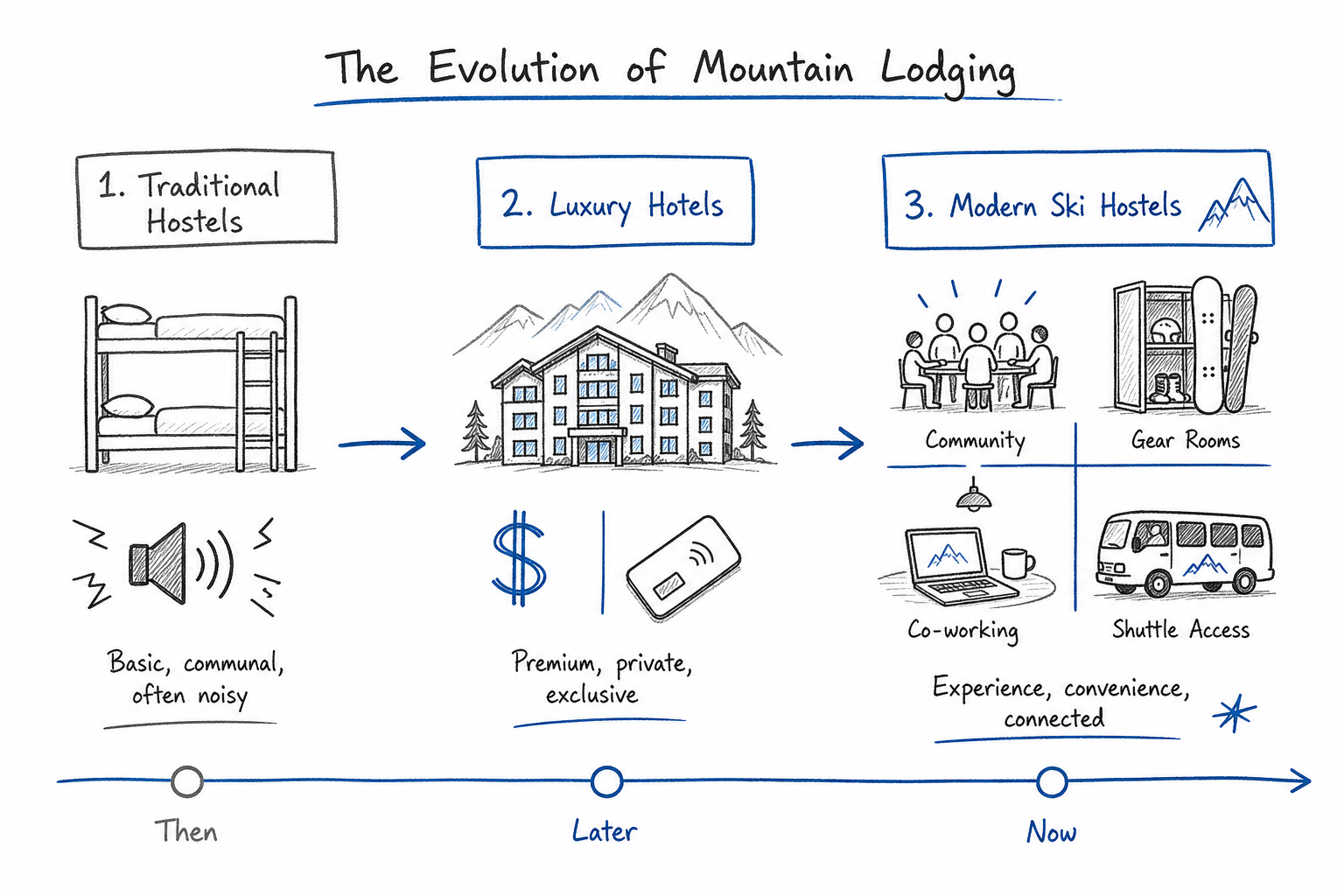
For decades, mountain lodging was strictly binary.
You either booked an expensive, ski-in/ski-out luxury hotel, or you roughed it in a bare-bones youth hostel located an hour away from the lifts. The middle ground simply didn’t exist. Traditional hotels provided comfort but isolated their guests. You received a keycard, a stiff greeting at the reception desk, and perhaps a nod from another guest in the elevator.
But adventure sports are inherently social. Sharing the stoke of a deep powder day or recounting a grueling hike over dinner is half the reason we head to the mountains. Recognizing this, modern ski lodges began adopting the communal aspects of traditional hostels while vastly upgrading the amenities.
As Ski Magazine notes when analyzing modern value lodging, today’s ski-town hostels are “far from cheap” in their execution. They feature secure gear storage, professional-grade boot drying rooms, dedicated co-working spaces, and private room options alongside traditional shared bunks.
5 Reasons Ski Hostels Radically Outperform Traditional Hotels
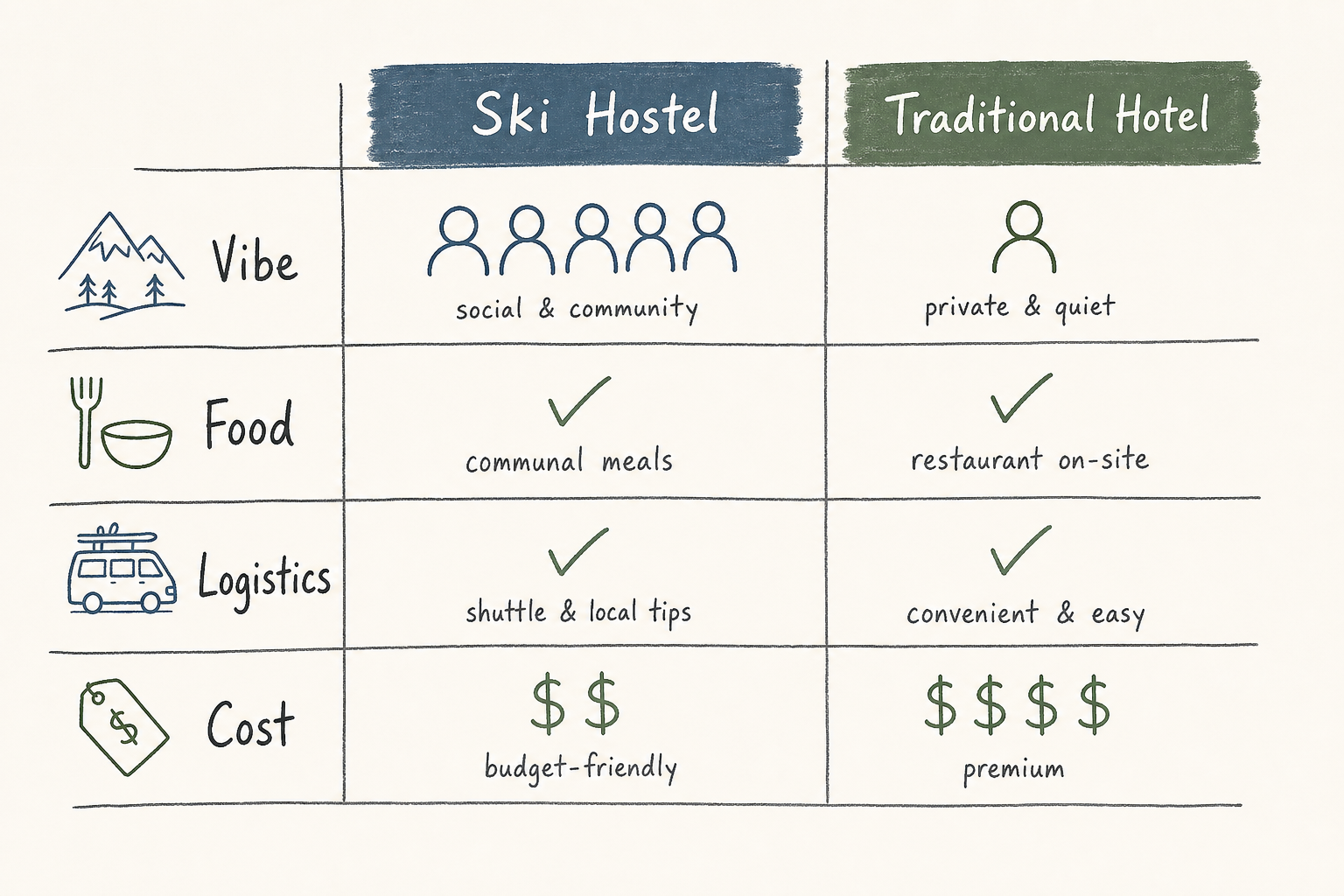
The appeal of a ski hostel goes far beyond saving money. It is an entirely different approach to mountain hospitality. When you strip away the excessive formalities of a traditional hotel, you make room for features that actually matter to riders and hikers.
1. The Built-In Adventure Community
The single greatest advantage of a ski hostel is the immediate access to a community of like-minded people.
If you travel solo to a standard hotel, you ski solo. You eat solo. You navigate the transport network solo. In a ski hostel, you are surrounded by people who are there for the exact same reason you are. The communal spaces—from family-style dining tables to shared lounges—are engineered to spark conversation.
By the time you finish your morning coffee, you have likely found someone who matches your skill level, knows a secret tree run, or is willing to split a ride to the trailhead. For solo travelers, this is invaluable. If you are nervous about navigating a new mountain alone, guided hiking and skiing programs organized directly through the hostel provide an instant social group.
2. Painless, Managed Logistics
Hotels give you a bed; ski hostels give you an itinerary.
One of the most stressful parts of a ski trip is logistics. How do you get from the lodge to the resort? Where do you rent gear without getting gouged at the base area? How do you get to neighboring valleys for a change of scenery?
Community-driven adventure lodges often operate on an all-inclusive or highly managed model. Instead of relying on rigid public bus schedules, hosts and volunteer staff frequently coordinate morning shuttle runs directly to the local resorts. If you need equipment, gear rental is often handled in-house or through closely partnered local shops at a fraction of the resort price.
3. Transparent, All-Inclusive Value
Traditional hotels are notorious for hidden costs. The room rate is just the beginning. You pay extra for the $35 breakfast buffet, the parking, the Wi-Fi, and the overpriced drinks at the lobby bar.
The ski hostel model thrives on transparency. Packages frequently include your accommodation, hearty home-cooked meals, and transport to the mountain. You know exactly what the trip will cost before you arrive. This all-inclusive approach makes budgeting a Swiss ski resort trip predictable and far less stressful.
4. Unmatched Local Intel
Hotel concierges will recommend the most popular, crowded tourist traps because they are safe bets. Ski hostel hosts and volunteers are out on the mountain every single day.
They know which lifts are on wind-hold, which side of the valley has the best afternoon sun, and where to find untouched powder three days after a storm. Because these lodges are typically run by passionate locals and long-term volunteers rather than corporate hospitality staff, the advice you get is highly actionable and incredibly specific.
5. Designed for Remote Work
The rise of the digital nomad has forced mountain accommodations to adapt. While traditional hotels offer adequate internet for checking emails, ski hostels have recognized that their guests are often balancing adventure with remote work.
Modern lodges now feature high-speed Wi-Fi, designated quiet zones, and ample power outlets. You can comfortably ride from first chair until lunch, then return to the lodge to work a full afternoon shift alongside other remote professionals.
The Financial Reality: Budgeting a Swiss Alps Ski Trip
Let’s look at the concrete numbers. Switzerland is legendary for its alpine terrain, but it also carries a reputation for being prohibitively expensive. However, as noted by Hotel Scoop’s analysis of affordable Swiss skiing, the ski hostel model completely changes the financial equation.
Here is a realistic look at a daily budget comparison in the Swiss Alps (per person, during peak season):
| Expense Category | Standard 3-Star Resort Hotel | All-Inclusive Ski Hostel |
|---|---|---|
| Accommodation (Per Night) | $250 - $400 (Private Room) | $60 - $120 (Bunk or Shared Private) |
| Breakfast | $25 (Hotel Buffet) | Included |
| Lunch on Mountain | $35 (Resort Cafeteria) | $15 (Packed from hostel) or $35 |
| Dinner | $50 - $80 (Local Restaurant) | Included (Communal Dinner) |
| Mountain Transport | $20 (Bus/Taxi) | Included (Hostel Shuttle) |
| Daily Total (Excl. Lift Pass) | $380 - $555 | $75 - $155 |
The difference is staggering. By centralizing food and transport, a ski hostel allows you to extend a weekend trip into a week-long expedition for the same total cost.
What to Expect: The Day-to-Day Hostel Experience
If you have never stayed in a community-driven adventure lodge, you might be wondering how the daily rhythm actually works. It is vastly different from the isolating experience of a standard hotel.
The Morning Routine
Mornings start early. Unlike party-focused city hostels, ski hostels are heavily biased toward “first chair” enthusiasts. The kitchen usually opens early for a communal breakfast. This isn’t a stale continental spread; expect hearty, calorie-dense foods designed to fuel a day at altitude.
During breakfast, the hosts will typically give a quick briefing on the weather, avalanche conditions, and the day’s transport schedule. Guests coordinate ride-shares, finalize their groups, and load into the vans.
The Daytime Adventures
Because ski hostels often sit slightly down-valley from the mega-resorts (which keeps costs low), they act as strategic basecamps.
For example, a lodge located in the Val de Bagnes region of Switzerland offers incredible access not just to a single resort, but to a massive network of interconnected valleys. You aren’t locked into one mountain. Depending on the conditions, the host might drive the group to Liddes one day and St. Stephan the next. They also frequently organize border-crossing excursions to iconic neighboring areas, allowing guests to ski Chamonix in France or Aosta in Italy on the same trip.
The Evening Wind Down
The evening is where the ski hostel model truly shines. When you return from the mountain, the gear room is humming. Boots go onto heated pegs, boards are wiped down, and stories are exchanged.
Dinner is typically a communal, family-style affair. Instead of eating alone at a small table in a crowded restaurant, you are sitting with twenty other riders. Menus are often diverse and reflective of the international volunteer staff—you might have traditional Swiss Raclette one night, and a rich, Brazilian-influenced stew the next.
Post-dinner activities focus on recovery and connection. Think spa nights, stretching sessions, board games, or relaxing by an outdoor BBQ pit rather than raging nightclub parties.
Who Actually Stays at Ski Hostels?
The demographic of the modern ski lodge is incredibly diverse. If you assume it is only 19-year-old backpackers, you will be surprised by who you actually meet in the communal lounge.
Digital Nomads and Remote Workers
These travelers stay the longest. They require strong infrastructure (high-speed internet and quiet spaces) and value the ability to drop into a community without the effort of seeking out local meetups.
Solo Travelers
For solo riders, the hostel is a safety mechanism and a social lifeline. Navigating backcountry gates or finding the best hiking routes in Switzerland is much safer and more enjoyable when you have a group to join.
Budget-Conscious Families
Families are increasingly utilizing private family rooms within hostels. The relaxed atmosphere means parents don’t have to worry about their kids making a bit of noise, and having access to a full kitchen or included communal dinners drastically cuts down on the stress of feeding a family in an expensive resort town.
International Backpackers
Traditional backpackers still form the core of the community. They are usually the ones utilizing the shared dorms to maximize their travel budgets, bringing diverse global perspectives to the dinner table.
Core Amenities: What Makes a “Good” Ski Hostel?
Not all lodges are created equal. When evaluating a ski hostel, look beyond the price per night. The best operations—those that truly beat luxury hotels in the Swiss mountains—will feature very specific amenities tailored to outdoor sports.
1. Dedicated Gear Rooms with Boot Heaters
Nothing ruins a morning faster than putting on frozen, wet boots. A proper ski hostel will have a climate-controlled drying room with commercial boot warmers and secure racks for skis and snowboards.
2. Tuning and Waxing Stations
High-end hostels provide a workbench, a vise, and an iron. Being able to throw a fresh coat of wax on your board after dinner saves you time and money at the resort shop.
3. Communal Kitchen vs. Catered Meals
Determine if the hostel is self-catering or all-inclusive. While a massive communal kitchen is great for cooking your own food, the gold standard is a lodge that provides family-style dinners. It forces everyone into the same room at the same time, cementing the community vibe.
4. Reliable Transport
If the hostel is not ski-in/ski-out, how are you getting to the lift? The best hostels run their own vans. If you have to walk 20 minutes in ski boots to catch a crowded public bus, the low price of the bed isn’t worth it.
The Summer Pivot: When Snow Turns to Dirt
The community model doesn’t melt with the snow. In fact, many of the best ski hostels seamlessly transition into premier hiking basecamps during the summer months.
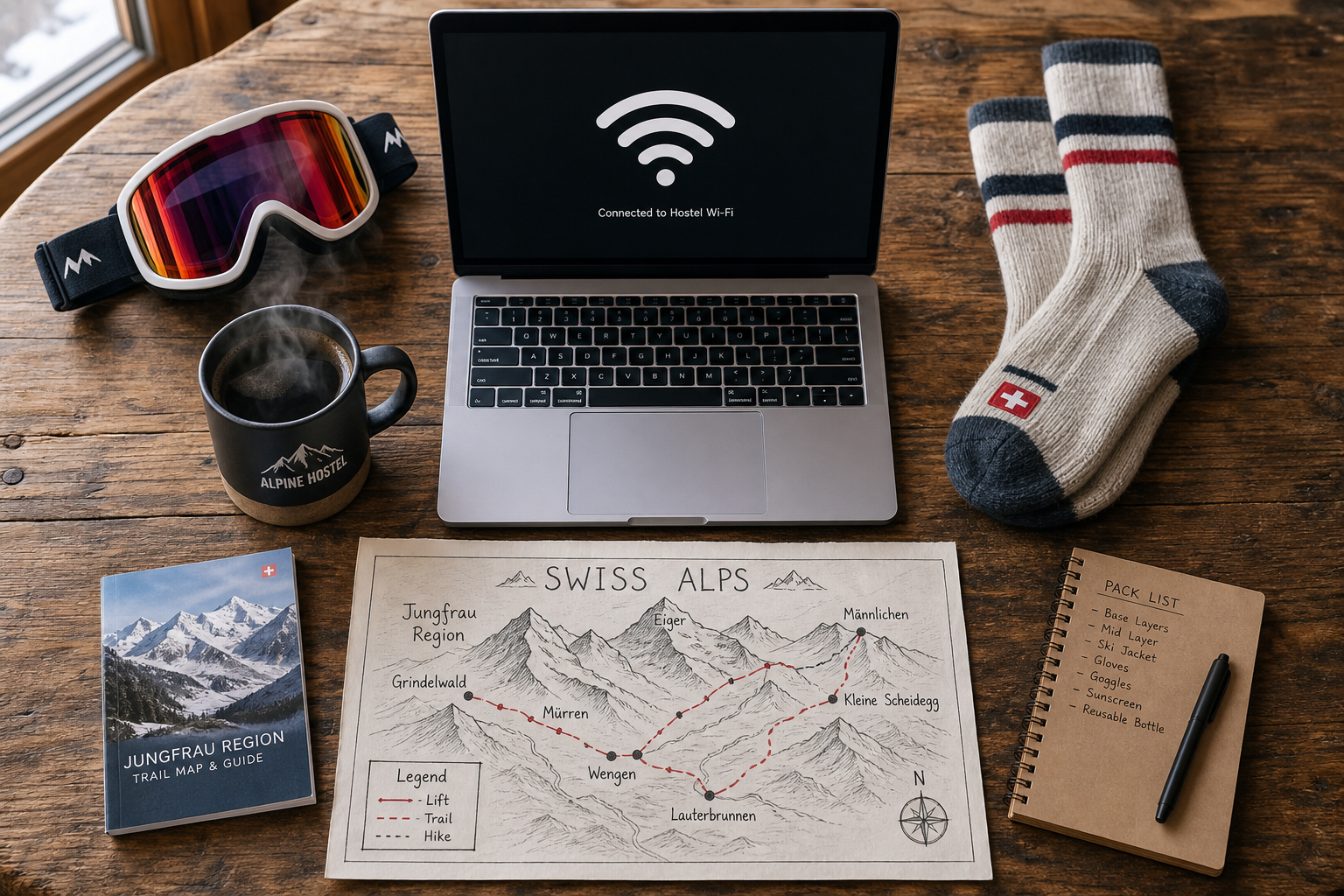
The same logistics apply: morning shuttles pivot from ski resorts to trailheads. The gear room swaps snowboards for mountain bikes. For those planning a hiking holiday in Switzerland, the hostel serves as a central hub for exploring over 250 kilometers of alpine trails.
Summer operations often include:
- Guided Alpine Hikes: Local volunteers leading groups to hidden alpine lakes and high-altitude ridges.
- Hut-to-Hut Support: Hosts can help you plan complex hut-to-hut hiking itineraries, allowing you to leave your heavy luggage at the basecamp.
- Mountain Bike Logistics: Secure bike storage, wash stations, and shuttle drops for downhill riders.
Just as with winter gear, knowing what to pack for a Swiss Alps summer trip is crucial. The vibe remains highly social, with evening BBQs replacing winter raclette nights.
How to Maximize Your Ski Hostel Experience
If you are transitioning from traditional hotels to a communal lodge for the first time, a slight mindset shift is required to get the most out of your stay.
1. Lean Into the Social Aspect
Don’t hide in your room after a day on the mountain. Bring a book to the lounge, offer to help chop vegetables for the communal dinner, or ask the group where they are riding tomorrow. The value of the hostel is the people; you have to engage with them to unlock it.
2. Respect the Morning Routine
Mountain lodges run on alpine time. People are usually asleep by 10:30 PM because they are waking up at 6:30 AM to catch the first shuttle. Pack your daytime bag the night before so you aren’t rustling plastic bags in a dark room at dawn.
3. Be Flexible with the Itinerary
Hotels offer predictability; adventure lodges offer opportunity. You might arrive planning to ride the local resort, but find out over breakfast that the hosts are taking a van across the border to ride Mont Blanc. Say yes to the detour.
4. Pack Layers for the Lounge
After a cold day outside, hostel lounges are usually kept very warm. Pack comfortable, relaxed clothing—sweatpants, thick wool socks, and a beanie. There are no dress codes at the communal dinner table.
The Shift to Social Lodging
Traditional luxury hotels will always have a place for those who prioritize isolation, room service, and high-thread-count sheets over authentic mountain experiences.
But for everyone else—the riders, the hikers, the remote workers, and the families who want to actually experience the culture of the Alps without draining their life savings—the ski hostel is the undisputed champion. By replacing expensive, unnecessary amenities with localized knowledge, managed logistics, and an unmatched sense of community, adventure lodges provide a richer, more sustainable way to travel.
You aren’t just booking a bed for the night. You are securing a local guide, a ride to the mountain, a home-cooked meal, and a group of friends you haven’t met yet.
Frequently Asked Questions
Are ski hostels loud and focused on partying?
Generally, no. While traditional city backpacker hostels can be loud, ski hostels attract athletes and outdoor enthusiasts. Because the focus is on catching the first lift or hitting the trail early, most mountain lodges enforce strict quiet hours after 10:00 PM or 11:00 PM.
Do I have to sleep in a massive dorm room?
No. The modern ski lodge model recognizes that travelers have different needs. While budget-friendly shared dorms are available, most facilities also offer private double rooms and larger family rooms that function exactly like a hotel room, but with access to the communal areas.
Is it safe to leave expensive ski and snowboard gear in a shared lodge?
Yes. Ski hostels understand the value of your gear. They feature locked, heavily monitored gear rooms with specific racks for your equipment. You will never be asked to leave a $1,000 snowboard leaning casually in a public hallway.
Can I stay at a ski hostel if I am a beginner?
Absolutely. In fact, it is arguably the best place for a beginner. Instead of paying exorbitant prices for private resort lessons, you are surrounded by experienced riders who can give you tips, and you can easily utilize the lodge’s network to find affordable hiking or introductory ski packages tailored to your level.