Best mountain hostels in Switzerland for organized group activities
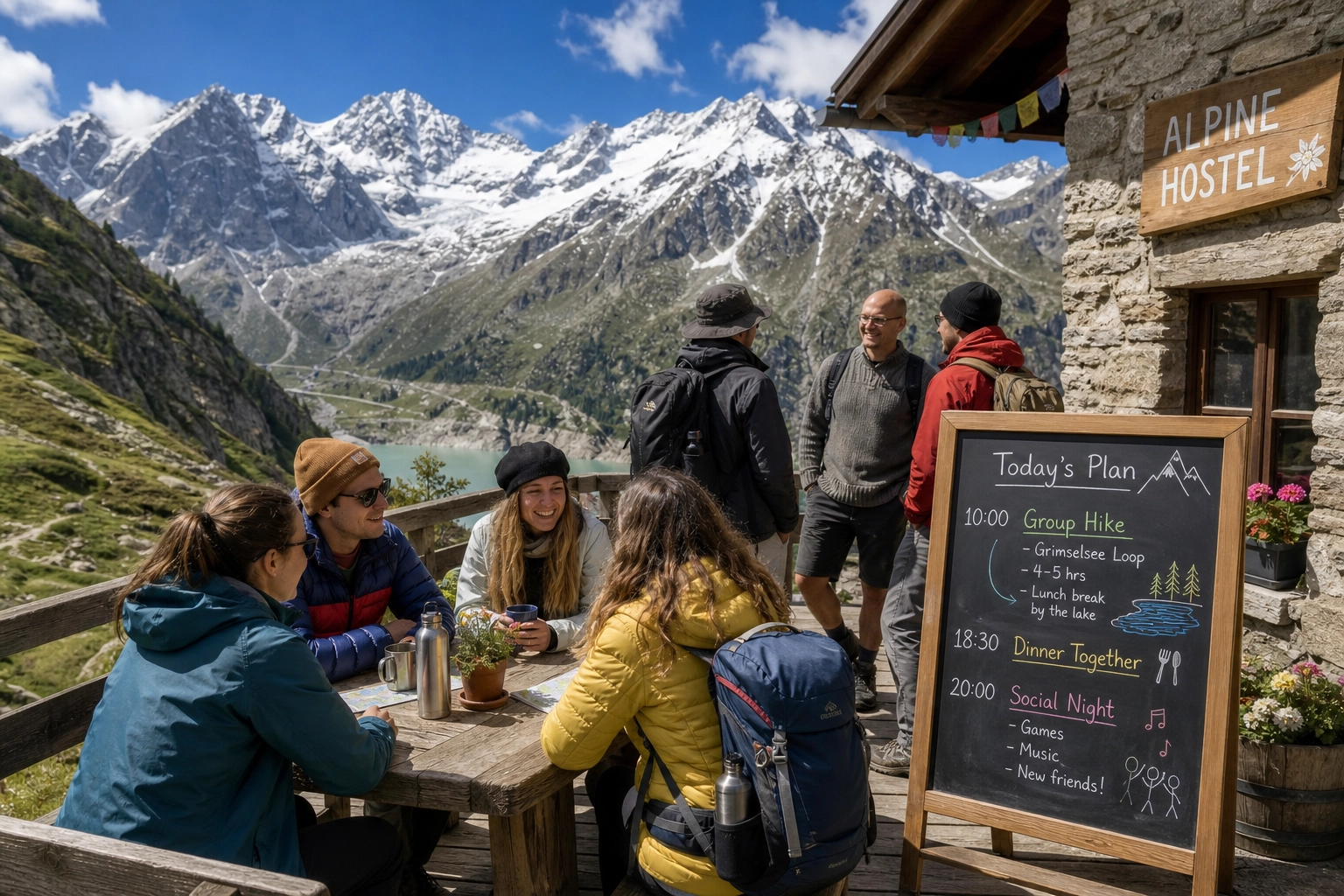
Planning a trip to the Swiss Alps as a solo traveler or budget hiker presents an immediate paradox. Switzerland boasts some of the most dramatic mountain scenery in the world, yet navigating its regional transport networks, trail passes, cable car ticketing, and high living costs can quickly overwhelm your budget and itinerary. If you travel alone or in a small group, hiking long alpine routes without local knowledge often means spending hours every evening staring at transit schedules rather than enjoying the mountains.
This friction is where social mountain hostels step in. Rather than serving simply as a place to sleep, the top mountain hostels in Switzerland actively bring guests together through group activities, daily trail transfers, guided excursions, and communal dinners.
Whether you want a casual basecamp where guests swap trail notes over dinner or a fully hosted week with daily transportation and organized alpine treks, choosing the right accommodation changes your entire experience in Switzerland.
What “organized activities” really mean in Swiss hostels
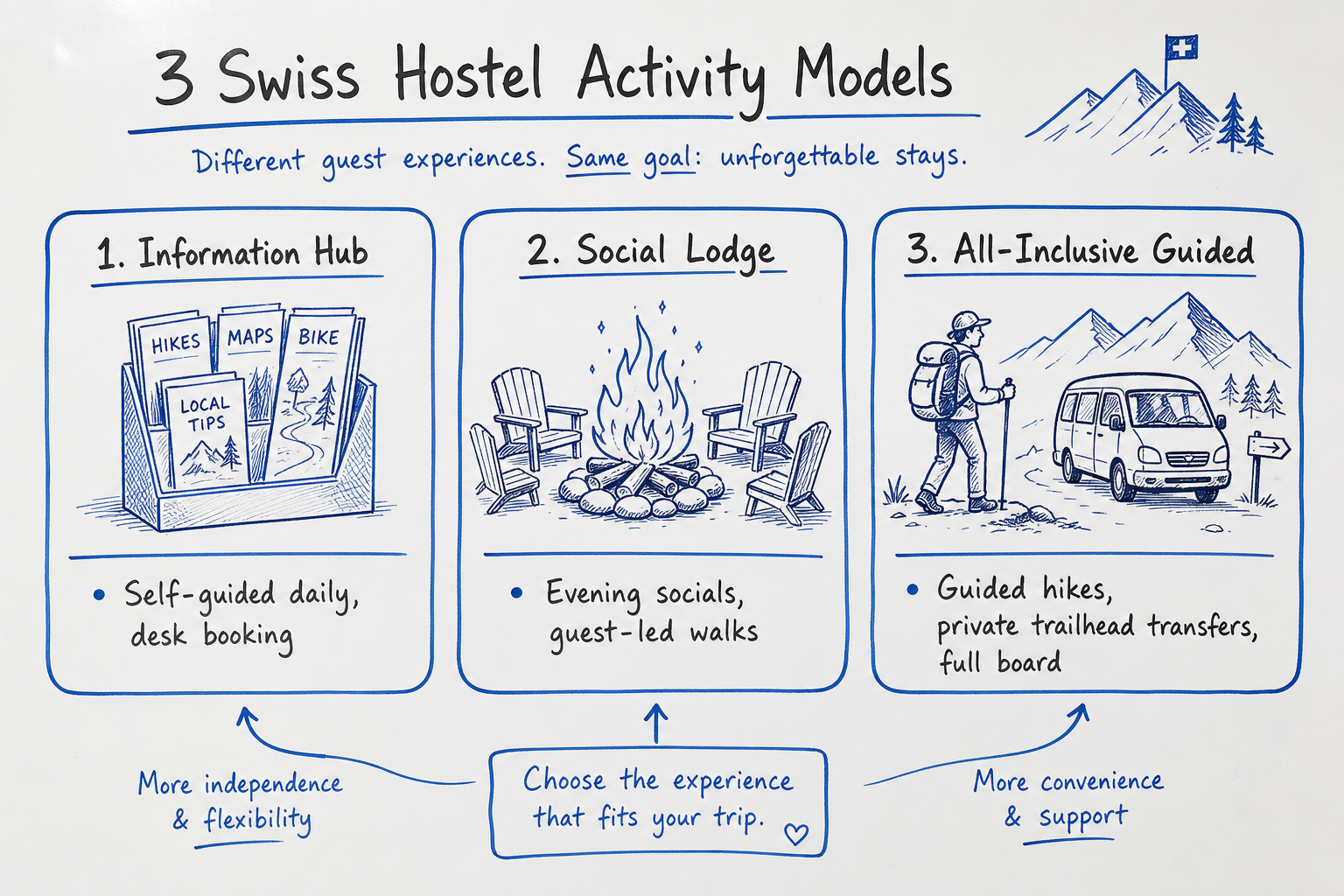
Not all activity-focused hostels operate the same way. When searching for mountain hostels offering organized group events, you will generally encounter three distinct models across Switzerland:
- Information-Desk & Booking Hubs: These hostels partner with local adventure outfits to book activities like paragliding, canyoning, or via ferrata for you. They offer central gathering spaces and sign-up boards, but guests carry out the day independently with third-party guides.
- Community-Driven Social Lodges: These properties organize informal daily gatherings, such as communal dinners, evening fires, or group walk-ups to nearby viewpoints. Trail advice is shared organically, but daily transportation and guided mountain walks remain self-managed.
- All-Inclusive Guided Hiking Hostels: These hostels structure full week-long programs. They combine dormitory or private hostel lodging with full board, private trail transfers, airport shuttles, and led group hikes across multiple valleys.
Understanding these distinctions prevents expectation mismatches. If you want total freedom with optional evening socials, a community hub works best. If you want to eliminate transit logistics, train connection stress, and route planning entirely, an all-inclusive guided hostel package delivers the highest value.
Top Swiss mountain hostels with organized group activities
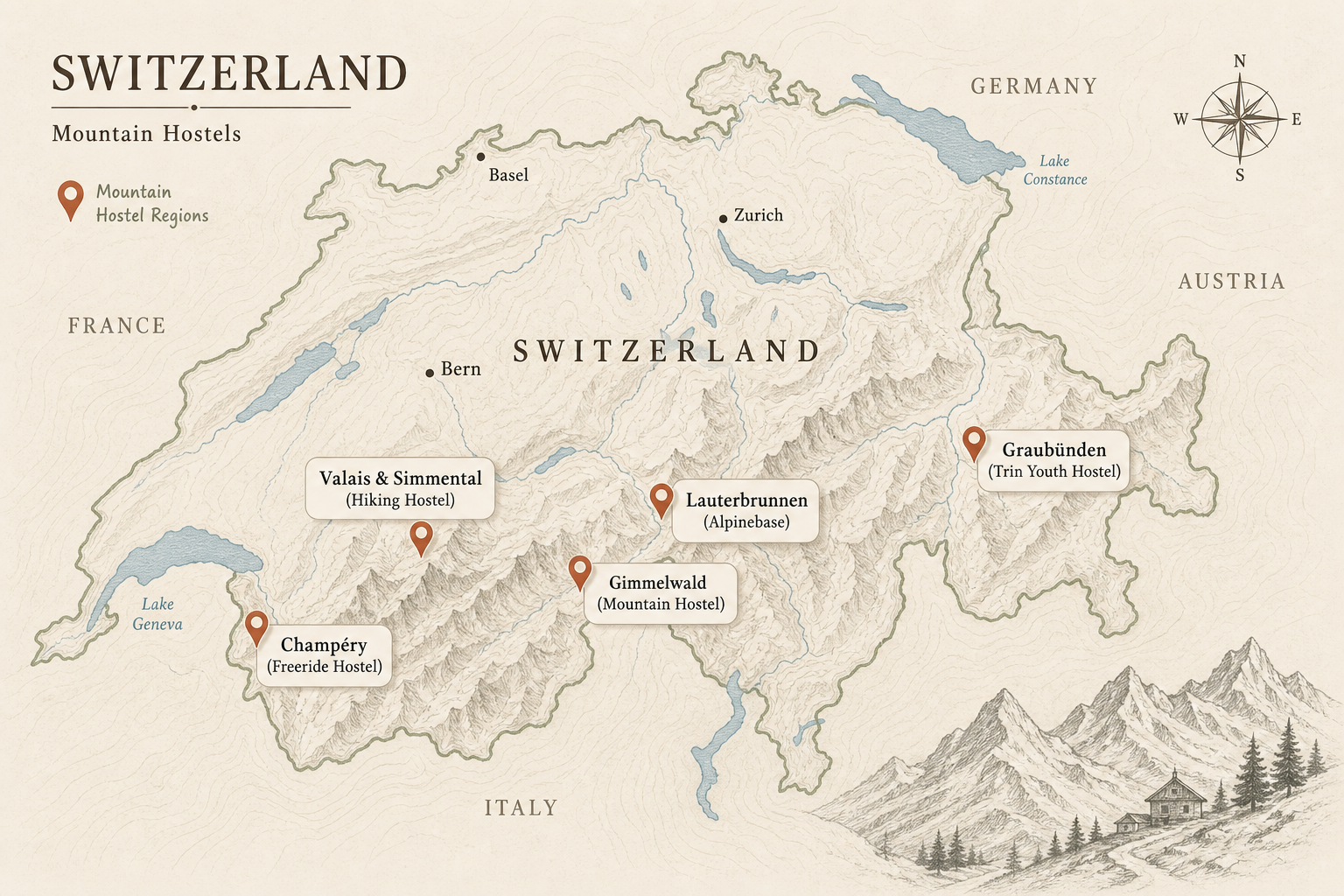
Here is an in-depth breakdown of the leading hostels in the Swiss Alps that stand out for their organized activities, social atmosphere, and outdoor infrastructure.
1. Hiking Hostel (Liddes & St. Stephan)
If your main priority in Switzerland is summer alpine hiking without the headache of self-guided logistics, Hiking Hostel offers a purpose-built solution. Designed specifically for solo travelers, backpackers, digital nomads, and budget-conscious mountain lovers, Hiking Hostel organizes structured, week-long summer hiking packages based out of traditional mountain lodges in Liddes (Valais) and St. Stephan (Simmental).
Rather than leaving guests to figure out local bus connections and route difficulties on their own, these week-long holidays include full accommodation, home-cooked meals, airport transfers, and private daily transport directly to and from trailheads. Every day features an organized group hike suited for active travelers, complemented by bucket-list day excursions across regional borders.
From the Liddes base in the Grand Saint Bernard region, guests explore routes throughout Valais and take organized day trips to Chamonix and Mont Blanc or across the Italian border to Aosta. From the St. Stephan base, groups access the Bernese Oberland, including trips to Interlaken and Glacier 3000 in Gstaad. For travelers looking to meet like-minded hikers while skipping the administrative stress of Swiss train tickets and route mapping, this format offers an ideal blend of structure and community.
- Best For: Solo travelers, backpackers, and digital nomads seeking a hosted, week-long social hiking holiday.
- Core Activities: Daily organized group hikes, trailhead shuttles, cross-border day excursions (Aosta, Chamonix), Glacier 3000 trips, and family-style communal dinners.
- Location Highlights: Dual locations in Valais (near the Mont Blanc massif) and the Bernese Oberland.
2. Mountain Hostel Gimmelwald (Bernese Oberland)
Perched on the cliffside of the car-free village of Gimmelwald, high above the Lauterbrunnen Valley, Mountain Hostel Gimmelwald is legendary among global solo travelers according to discussions on Reddit’s r/solotravel community. The hostel functions as an alpine social sanctuary where guests gather on the outdoor deck facing the Eiger, Mönch, and Jungfrau peaks.
While the hostel staff do not lead formal daily mountain tours themselves, they facilitate an array of group activities. The hostel acts as a central coordination point for booking paragliding flights, tandem skydives, canyoning trips, and via ferrata climbs across the Lauterbrunnen region. Every evening, the open kitchen and communal bar become a gathering spot where guests team up for self-organized hikes to the Oberhornsee or plan early-morning assaults on the Rotstock Via Ferrata.
- Best For: Budget backpackers and solo travelers looking for high-energy social interaction in an iconic cliffside location.
- Core Activities: Arranged paragliding and canyoning bookings, communal evening pizza nights, acoustic music sessions, and informal group hikes.
- Location Highlights: Direct access to the Lauterbrunnen Valley trail network and Schilthorn cable car lines.
3. Alpinebase Hostel (Lauterbrunnen)
Situated directly on the valley floor in Lauterbrunnen, Alpinebase Hostel caters to active sports enthusiasts, mountain jumpers, and outdoor adventurers. Known worldwide as a focal point for BASE jumping and extreme air sports, Alpinebase provides a grounded, highly social base camp for anyone wanting to experience the vertical walls of the Lauterbrunnen Valley.
The hostel organizes and connects guests with local action sports operators, facilitating kayaking, paragliding, and guided mountain ascents. Beyond adrenaline activities, the property emphasizes group social life with nightly outdoor firepits, shared meals, and group outings to local waterfalls and high alpine lakes. It is an exceptional choice if you thrive in high-energy outdoor environments alongside international athletes and travelers.
- Best For: Extreme sports enthusiasts, digital nomads, and active solo backpackers.
- Core Activities: Coordination of aerial and river sports, group trail walks, outdoor evening fires, and social lounge events.
- Location Highlights: Located near the famous Staubbach Falls with quick rail links to Grindelwald and Wengen.
4. Freeride Hostel (Champéry)
Located in the French-speaking Portes du Soleil region, Freeride Hostel in Champéry offers a year-round shelter for mountain sports lovers. The lodge is set up to remove barriers between guests, maintaining a strong focus on collective outdoor outings during both summer and winter seasons.
During the summer months, Freeride Hostel coordinates guided group mountain bike rides down world-class downhill tracks, downhill scooter trips, and organized group treks into the Dents du Midi mountain range. Staff frequently host local food workshops, barbecue nights, and technical equipment sessions. If your mountain goals involve wheels as much as hiking boots, this lodge provides a built-in community of mountain bike enthusiasts.
- Best For: Mountain bikers, trail runners, and multi-sport summer athletes.
- Core Activities: Organized mountain bike rides, guided day treks around the Dents du Midi, equipment maintenance sessions, and evening social BBQs.
- Location Highlights: Direct access to the extensive international Portes du Soleil lift pass network connecting Switzerland and France.
5. Trin Youth Hostel (Graubünden)
Tucked away in the eastern canton of Graubünden near the dramatic Rhine Gorge (known as the Swiss Grand Canyon), Trin Youth Hostel offers a distinct, eco-conscious approach to group activities. Constructed from traditional timber and surrounded by alpine pine forests, this hostel appeals to travelers who prefer immersion in nature over fast-paced party environments.
Trin Youth Hostel partners with regional nature parks to host structured group conservation projects, guided botanical hikes, river rafting trips through the Rhine Gorge, and night-sky observation walks. It serves as an active educational base camp for visitors who want to learn about alpine ecology while exploring lesser-visited hiking routes away from the heavy tourist crowds of the central Alps.
- Best For: Eco-minded travelers, nature lovers, and hikers looking for serene, off-the-beaten-path mountain trails.
- Core Activities: River rafting excursions, guided forest ecology walks, volunteer conservation work, and regional farm-to-table dinners.
- Location Highlights: Immediate access to the Ruinaulta (Rhine Gorge) and Crestasee emerald mountain lake.
Comparing the top social mountain hostels in Switzerland
To help you decide which mountain lodge matches your travel style, budget, and desired level of organization, the table below compares key features across these five locations:
| Mountain Hostel | Region & Location | Primary Audience | Level of Activity Organization | Key Included / Arranged Activities | Typical Social Vibe |
|---|---|---|---|---|---|
| Hiking Hostel | Valais (Liddes) & Bernese Oberland (St. Stephan) | Solo hikers, backpackers, digital nomads | Fully Structured Week Packages | Guided group hikes, daily trailhead transfers, meals, airport shuttles, excursions to Chamonix & Aosta | Welcoming, structured, activity-focused community |
| Mountain Hostel Gimmelwald | Bernese Oberland (Gimmelwald) | Budget backpackers, alpine sightseers | Hostel-Facilitated / Guest-Led | Paragliding/canyoning booking, via ferrata outings, evening pizza nights, jam sessions | High energy, lively backpacker hub, communal |
| Alpinebase Hostel | Lauterbrunnen Valley | Adventure seekers, solo backpackers | Hostel-Facilitated / Partner-Led | BASE/paragliding logistics, kayaking, group waterfall walks, bonfire nights | Energetic, sports-focused, informal |
| Freeride Hostel | Valais / Portes du Soleil (Champéry) | Mountain bikers, trail runners, skiers | Semi-Structured / Guided Outings | Group MTB rides, Dents du Midi trail runs, technique workshops, social BBQs | Sporty, technical, dynamic group atmosphere |
| Trin Youth Hostel | Graubünden (Trin / Rhine Gorge) | Nature lovers, eco-travelers, quiet hikers | Structured / Educational Programs | Rhine Gorge rafting, forest ecology walks, regional conservation projects | Peaceful, nature-focused, relaxed eco-lodge |
The true costs of alpine travel: Self-guided vs. organized hosteling
When evaluating accommodation in Switzerland, many travelers make the mistake of comparing room rates alone. A simple dormitory bed might look economical at first glance, but hidden daily logistics in the Swiss Alps accumulate rapidly.
To plan realistic expenses, you must account for four major cost categories:
- Mountain Transportation: PostBuses, regional trains, mountain railways, and cable cars are premium services in Switzerland. Daily return tickets from a valley floor to high elevation trailheads often cost between 30 CHF and 90 CHF per day unless covered by pass schemes.
- Food and Dining: Restaurant meals in mountain resorts rarely cost under 30–45 CHF for a basic main dish. Cooking every meal in a shared hostel kitchen saves money, but requires time spent grocery shopping in smaller village markets with limited operating hours.
- Activity Fees and Guides: Hiring an outdoor guide independently for alpine routes or via ferratas ranges from 400 CHF to 800 CHF per day for private hire, or 120–180 CHF per person for group bookings.
- Transit Logistics and Time Lost: Coordinating public transit timetables across regional train companies requires continuous monitoring. Missing a connecting bus in a remote valley like Liddes or St. Stephan can stall your entire afternoon.
If you are trying to stretch your budget, reviewing smart cost-saving techniques is essential. You can read our guide on 7 tips for hiking in Switzerland without the high cost to learn how smart planning reduces daily expenses.
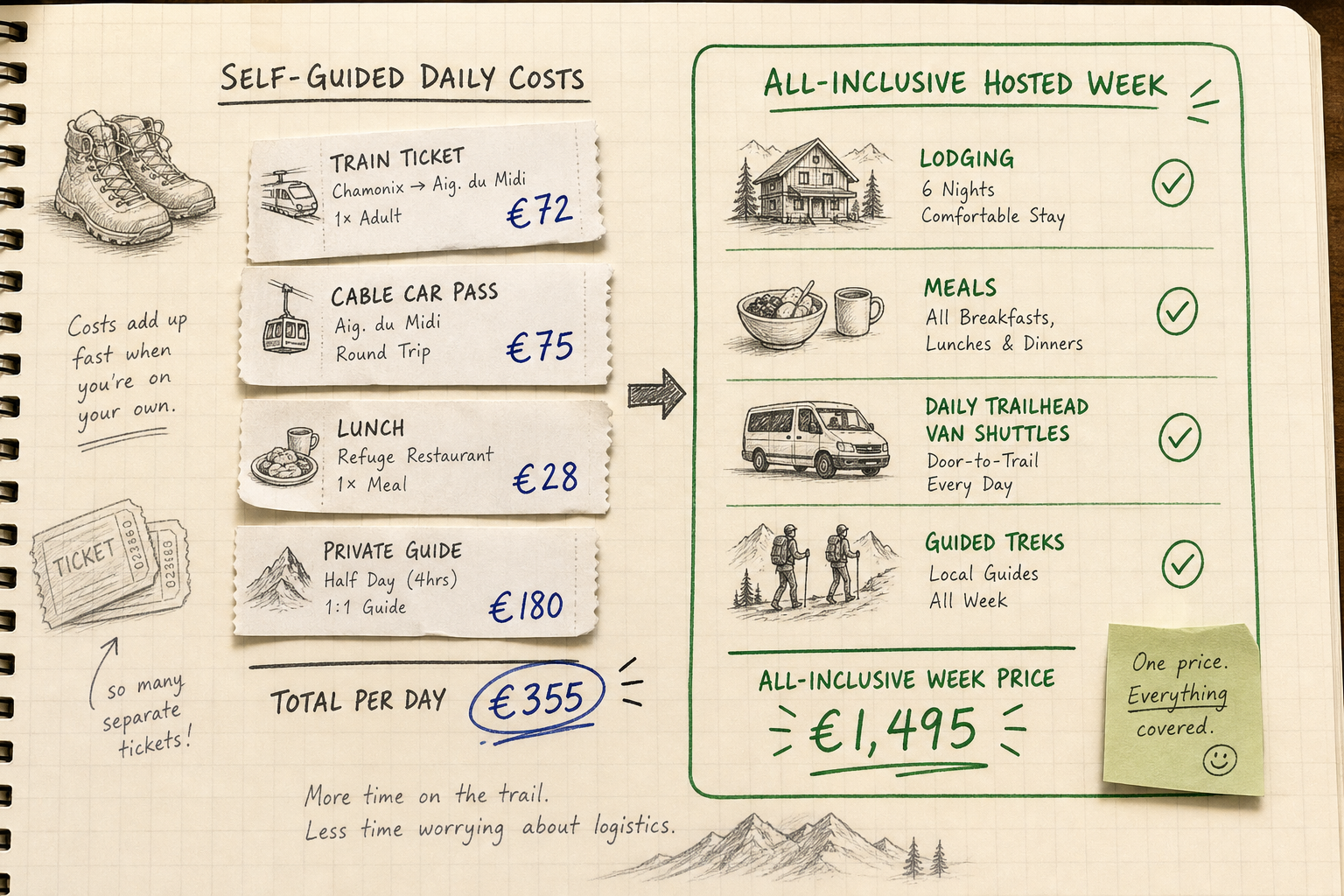
Here is a financial scenario comparing an independent solo traveler managing transit and food manually versus a guest booking an organized week-long hiking hostel package:
INDEPENDENT SOLO TRAVELER (7 Days - Self-Planned)
--------------------------------------------------
Dorm Bed (7 nights @ 50 CHF):               350 CHF
Individual Train/Bus/Cable Cars:            280 CHF
Self-Catered Groceries & Light Dining:      220 CHF
Guided Excursion / Third-Party Activity:    150 CHF
Airport Train Transfers (Return):            90 CHF
TOTAL ESTIMATED EXPENSE:                  1,090 CHF
*Requires 1-2 hours daily spent on route mapping, timetable checks, and cooking.

ALL-INCLUSIVE HOSTED WEEK PACKAGE (7 Days - Structured)
--------------------------------------------------
Hostel Lodging + All Meals Included:      Included
Private Trailhead Transfers Included:      Included
Organized Daily Guided Hikes:              Included
Cross-Border Excursions (Aosta/Chamonix):  Included
Airport Transfers Included:                Included
TOTAL PACKAGE COST:                     Transparent Flat Rate
*Zero hours spent on logistics; instant social group from Day 1.
By consolidating transfers, group meals, and hosted activities, structured hostel programs frequently match or beat the real out-of-pocket costs of self-planned travel while eliminating administrative stress.
Why social lodges beat traditional hotel stays in the mountains
Choosing where to stay during an alpine holiday shapes the texture of your trip. Traditional mountain hotels offer privacy, but they are engineered around quiet dining rooms and isolated guest experiences. If you arrive alone at a standard hotel, making outdoor partners for a challenging hike requires considerable luck.
In contrast, social mountain lodges are built intentionally around shared spaces:
- Instant Trail Buddies: When everyone in the building wakes up at 7:00 AM to check mountain weather reports, conversations start naturally over coffee. Solo travelers quickly find partners of matching fitness levels for high-altitude passes.
- Shared Local Knowledge: Hostel wardens and local trip leaders possess current, ground-level information about trail conditions. They know whether a high pass still holds late-spring snow, which cable cars are under maintenance, and where to find quiet routes away from tourist crowds.
- Crowd Avoidance Strategies: Experienced hostel managers know how to bypass peak transit hours. For instance, when visiting famous spots around the Mont Blanc region, local leaders know precise timing tricks to view the massifs comfortably. For a detailed look at avoiding crowds, read our breakdown on 7 ways to visit Mountain Mont Blanc without the crowds.
- Community Dining Dynamics: Food tastes better after 1,000 meters of elevation gain, especially when shared around a large table. Communal dinners foster conversations where daily achievements, blisters, and photos are shared naturally among guests from across the world.
For a deeper analysis of accommodation types, explore our perspective on why social lodges beat luxury options in Swiss mountains.
Navigating activities by season: Summer hiking vs. winter trips
The nature of organized activities in Swiss hostels shifts dramatically between the summer hiking season and the winter snow months. Choosing the right hostel requires aligning your trip dates with the activity model offered.
Summer (June through October)
- Focus: High-alpine trekking, ridge walks, alpine lake circuits, via ferratas, and cross-border cultural day trips.
- Logistics: Day lengths are long, allowing for extended 6-to-8-hour outings. Organized hostels focus on early morning departures to clear high passes before afternoon heat or thunderstorms build up.
- Key Destinations: The Valais valley trails (around Liddes), the Bernese Oberland passes (near St. Stephan and Gimmelwald), and French border routes near Chamonix. Check out our recommendations on the 5 best hiking trails in Switzerland near Mont Blanc for classic summer routes.
Winter (December through April)
- Focus: Skiing, snowboarding, snowshoeing, winter trail walking, and avalanche safety awareness.
- Logistics: Hostels transition into winter sports hubs. Group activities focus on resort shuttles, discount ski pass arrangements, and group dinners after lift closures.
- Budget Planning: Winter prices for lift tickets and equipment rentals rise significantly across popular resorts. If you plan a winter trip on a backpacker budget, finding cost-effective ski regions is essential. Read our guide on which Swiss ski resort fits a backpacker’s budget to keep expenses manageable.
- Day Trips across Borders: Winter options around Valais also allow for quick cross-border ski excursions. You can read how to set up an Italian day trip in our article on skiing in the Italian Alps via an Aosta trip.
Choosing the right hostel for your personal travel style
Every traveler arrives in Switzerland with different expectations, fitness levels, and social preferences. Use this decision framework to match your profile to the right mountain hostel:
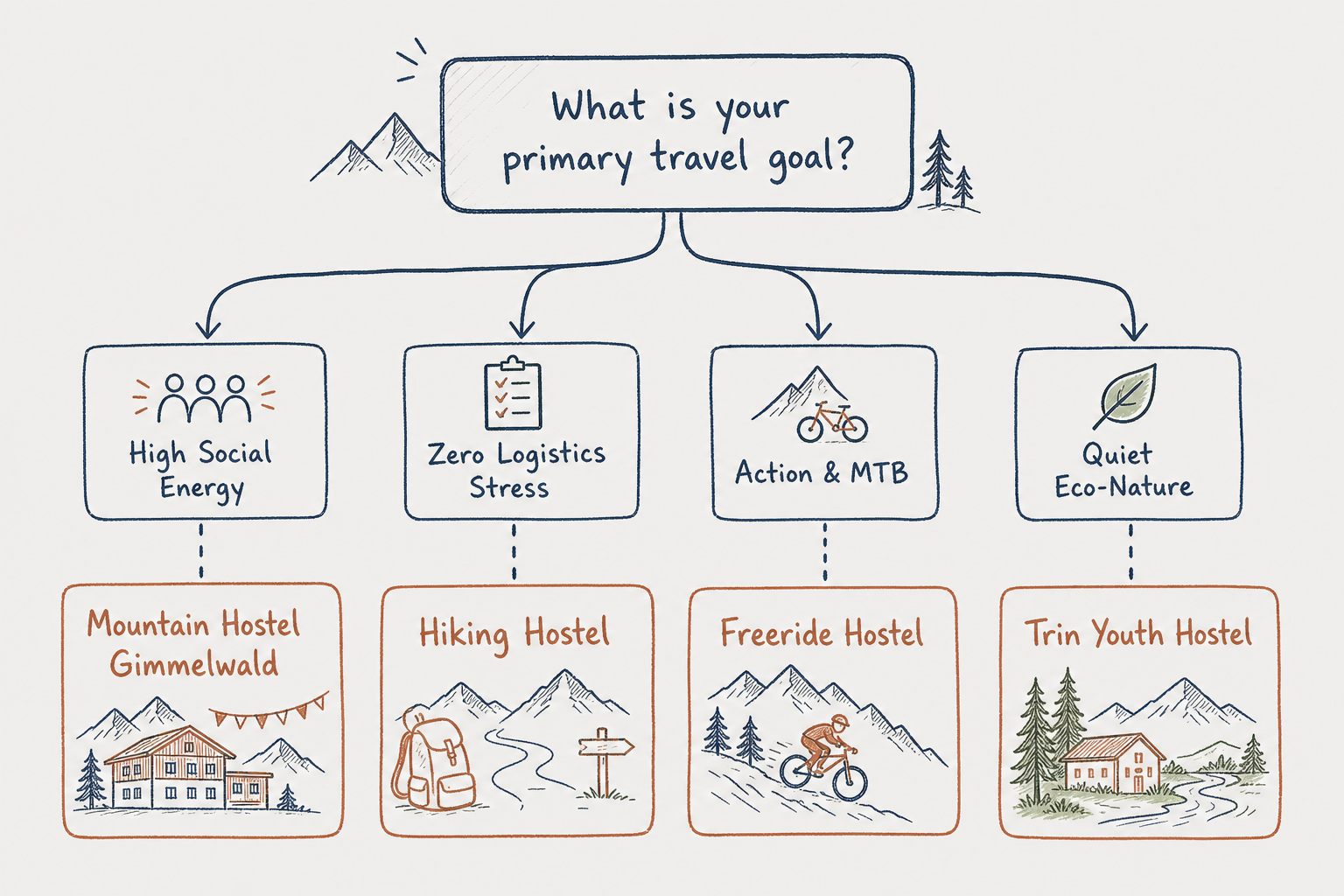
Profile A: The Solo Backpacker Seeking High Social Energy
- Goal: Meet international travelers, enjoy evening beers, and keep daily plans completely open.
- Ideal Match: Mountain Hostel Gimmelwald or Alpinebase Hostel.
- Why: These locations offer flexible environments where you can join a group paragliding session on short notice or spend the day lounging on an alpine patio with fellow travelers.
Profile B: The Solo Hiker Who Wants Zero Logistics Stress
- Goal: Experience top-tier alpine hikes daily without spending hours researching bus connections, train passes, or trail safety alone.
- Ideal Match: Hiking Hostel (Liddes or St. Stephan).
- Why: The week-long organized package handles your lodging, daily trailhead shuttles, meals, and guided routes. You simply show up, tie your boots, and hike with a supportive group. If finding a compatible group is your top priority, learn more in our article on guided hiking in Switzerland and finding your social group.
Profile C: The Multi-Sport & Action Specialist
- Goal: Combine technical mountain biking with high-altitude trail running or extreme sports.
- Ideal Match: Freeride Hostel (Champéry).
- Why: The facility is built around gear storage, bike maintenance, and rapid access to gravity trails. If you want to connect with riders, read our insights on finding the right mountain bike group for alpine trails.
Profile D: The Nature Conservationist & Quiet Wanderer
- Goal: Avoid commercial tourist hubs, learn about local ecology, and hike peaceful forest trails.
- Ideal Match: Trin Youth Hostel.
- Why: Focuses on environmental education, quiet gorge walks, and sustainable living in a traditional timber lodge setting.
Preparing for an organized hostel hiking week
Joining an organized hostel week requires a bit of practical preparation to ensure you stay comfortable on the trail. While your host handles logistics and routing, taking care of your personal gear ensures a smooth trip.
Gear Checklist for Hostel-Based Alpine Hiking
- Footwear: Broken-in mid-cut hiking boots with vibram soles. Never bring brand-new, untested boots on an alpine trip.
- Layering System: Synthetic base layers, a fleece mid-layer, and a packable windproof/waterproof hard shell jacket (Gore-Tex or equivalent). Weather in Valais and the Bernese Oberland changes rapidly over high mountain passes.
- Daypack: A 20-to-30-liter daypack with an integrated rain cover. This carries your lunch, water bladder (2L minimum), extra layers, and personal emergency kit.
- Sun Protection: High-factor SPF sunscreen, UV-blocking sunglasses, and a wide-brimmed hat or cap. Solar radiation is intense above 2,000 meters.
- Hostel Essentials: Quick-dry travel towel, earplugs, a universal power adapter (Switzerland uses Type J plugs, distinct from standard European C/F plugs), and a reusable water bottle.
For a comprehensive packing breakdown designed specifically for the summer season, consult our Swiss Alps summer 5-step packing guide.
If you are considering transitioning from fixed hostel bases to overnight mountain shelter routes in the future, you can also read our strategic advice on how to plan hut-to-hut hiking in Switzerland.
Frequently asked questions about Swiss mountain hostels
Do I need advanced hiking experience to join organized hostel activities?
Not necessarily. Most organized activity hostels cater to a range of fitness levels. Hostels like Hiking Hostel offer varied routes suited for moderately fit travelers comfortable walking 10 to 15 kilometers with modest elevation gains. However, you should always check the required distance and vertical gain listed for scheduled daily outings before signing up.
Are organized hostel trips suitable for digital nomads working remotely?
Yes, provided you verify the hostel’s Wi-Fi infrastructure beforehand. Hostels like Hiking Hostel welcome digital nomads who balance remote work hours with structured morning or weekend mountain excursions. Communal living spaces double as productive workspaces during non-peak hours, allowing you to combine remote work with high-altitude recreation.
Is it easy to reach these mountain hostels using Swiss public transportation?
Switzerland has one of the most reliable public transportation networks in the world. Even remote mountain villages like Liddes, St. Stephan, Gimmelwald, Champéry, and Trin are connected by the SBB train network and PostBus routes. Additionally, structured week packages through Hiking Hostel often include direct airport pick-ups and private van shuttles, taking public transit transfers entirely off your hands.
How far in advance should I book mountain hostels in Switzerland?
Because capacity in specialized mountain hostels is limited and summer alpine seasons are short (peak running from late June to mid-September), booking 3 to 6 months in advance is highly recommended. Weekend stays and peak summer weeks in July and August frequently sell out well ahead of time.
Maximizing your time in the Swiss Alps
Traveling through the Swiss Alps does not require navigating complex transport schedules alone or spending a fortune on private resort hotels. By choosing a mountain hostel that prioritizes organized group activities, structured daily transfers, and communal dining, you gain far more than affordable accommodation. You gain a readymade community of fellow travelers, local expertise on the trail, and a seamless way to experience Switzerland’s most iconic mountain landscapes.