9 Things to Do in Swiss Alps Summer (2026 List)
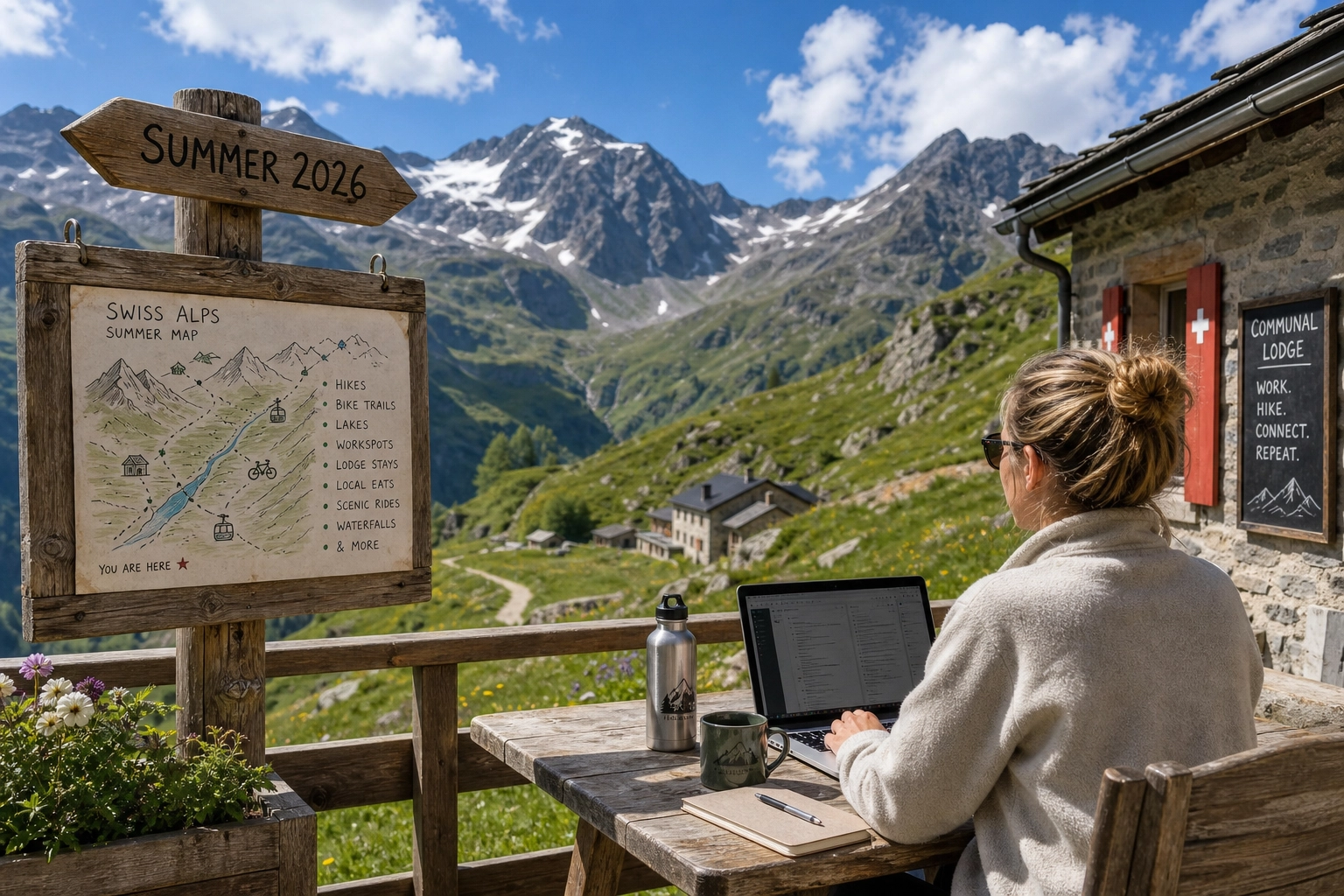
Most people picture the Swiss Alps blanketed in snow, with skiers sipping hot cocoa in high-end chalets. But when the snow melts, the mountains reveal an entirely different ecosystem. The summer season—stretching from late June to September—transforms the alpine landscape into a playground of emerald valleys, jagged limestone peaks, and glacial lakes.
Historically, planning a Swiss summer trip has been synonymous with luxury travel and exorbitant price tags. However, a thriving subculture of digital nomads, international backpackers, and budget-conscious hikers has quietly reshaped the region’s tourism. Today, you don’t need a massive budget to experience the best of the mountains.
By leaning into community-driven adventure lodges rather than traditional luxury hotels, you unlock access to guided trail systems, communal dinners, and affordable gear rentals. Whether you are seeking high-altitude challenges or a quiet spot to work remotely with a view of Mont Blanc, this 2026 guide breaks down exactly what to do in the Swiss Alps this summer.
1. Trek the Val de Bagnes and Mont Blanc Trails
The Val de Bagnes is arguably one of the most dynamic hiking regions in the world, serving as a critical artery to the Mont Blanc massif. While many tourists flock to the crowded trails of Interlaken, the Liddes and St. Stephan regions offer a more rugged, authentic alpine experience with direct access to over 250 kilometers of marked trails.
Hiking in this area accommodates every skill level. Beginners can stick to the lower-elevation bisse trails (historic irrigation channels that contour the mountainsides with minimal elevation gain), while advanced hikers can tackle the steep ascents toward high mountain passes.
Pro Tip for 2026: If you want to experience the grandeur of the highest peak in the Alps without the overwhelming foot traffic, read our guide on Mountain Mont Blanc: 7 Ways to Visit Without the Crowd.
To make the most of the region, use a central hub like an adventure lodge that coordinates group itineraries. Having a local host point out the 5 Best Hiking Trails in Switzerland Near Mont Blanc based on that day’s specific weather conditions is the difference between a scenic walk and a frustrating slog through unexpected fog.
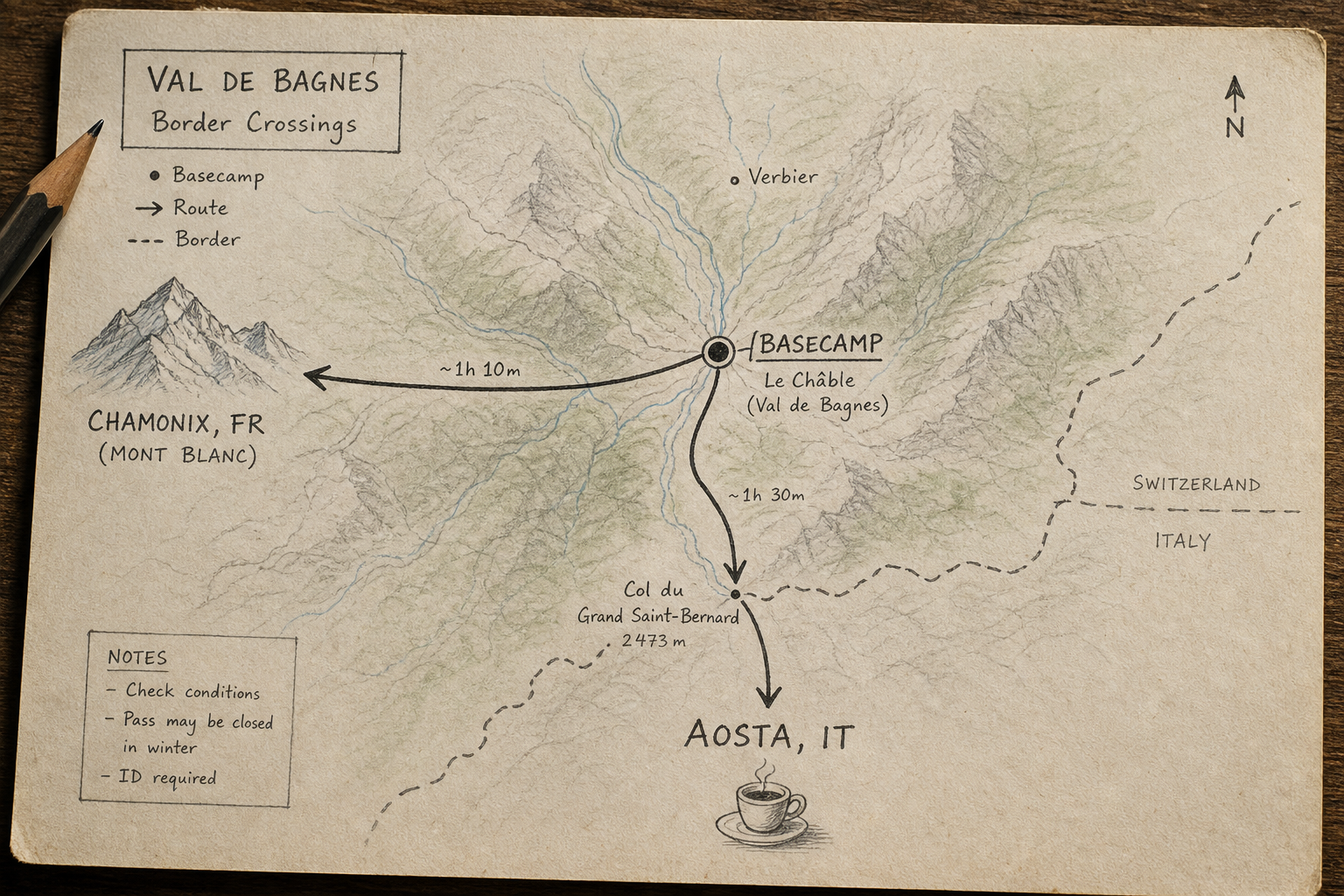
2. Experience Hut-to-Hut Alpine Trekking
You haven’t truly experienced the Swiss Alps until you’ve spent a night in a mountain cabane. These high-altitude refuges, managed by the Swiss Alpine Club (SAC), allow hikers to cover massive distances over several days without carrying heavy camping gear or food.
Summer is the prime season for hut-to-hut hiking. The concept is simple: you hike for 4 to 8 hours, arrive at a stone and timber hut perched on a cliffside, and enjoy a hot, communal dinner with 30 other hikers before sleeping in a shared dormitory.
Key Logistics for Hut Hiking:
- Booking: Popular huts book up months in advance. Secure your spot by March for a July trek.
- Etiquette: Bring a silk sleeping bag liner (mandatory), leave your boots in the mudroom, and respect the strict “lights out” at 10 PM.
- Cost: Expect to pay around CHF 80-100 per night, which usually includes half-board (dinner and breakfast).
If you are intimidated by the logistics of planning a multi-day route, check out How to Plan Hut to Hut Hiking in Switzerland (7 Tips). Many budget-conscious travelers use a basecamp lodge to leave their heavy luggage behind, taking only a 35L daypack up to the huts for a two-night excursion before returning to their main accommodation.
3. Join a Mountain Bike Group on Epic Singletracks
The Swiss Alps have quietly become a premier destination for mountain biking and enduro riding. Summer transforms ski pistes into sweeping, bermed singletracks that cater to both adrenaline junkies and scenic e-bike cruisers.
The challenge for solo travelers is often logistics: renting a quality full-suspension bike, understanding the complex network of trail grades, and navigating the gondola systems that transport bikes. This is where community-driven hospitality shines. Adventure lodges often organize weekly MTB outings, managing the gear rentals and transport so you just have to show up and ride.
Riding with a group is highly recommended for safety and route-finding. If you’re a solo rider looking to connect with others, Find the Right Mountain Bike Group for Alpine Trails offers actionable advice on vetting local ride groups.
Top MTB Styles to Try:
- Lift-Assisted Downhill: Let the gondola do the heavy lifting, then navigate technical descents.
- Alpine Cross-Country: Traverse ridgelines on lighter bikes, requiring high cardiovascular fitness.
- E-Mountain Biking: The great equalizer. E-MTBs allow mixed-fitness groups to tackle steep 1,000-meter climbs together without anyone getting left behind.
4. Cross the Border for a Multi-Country Day Trip
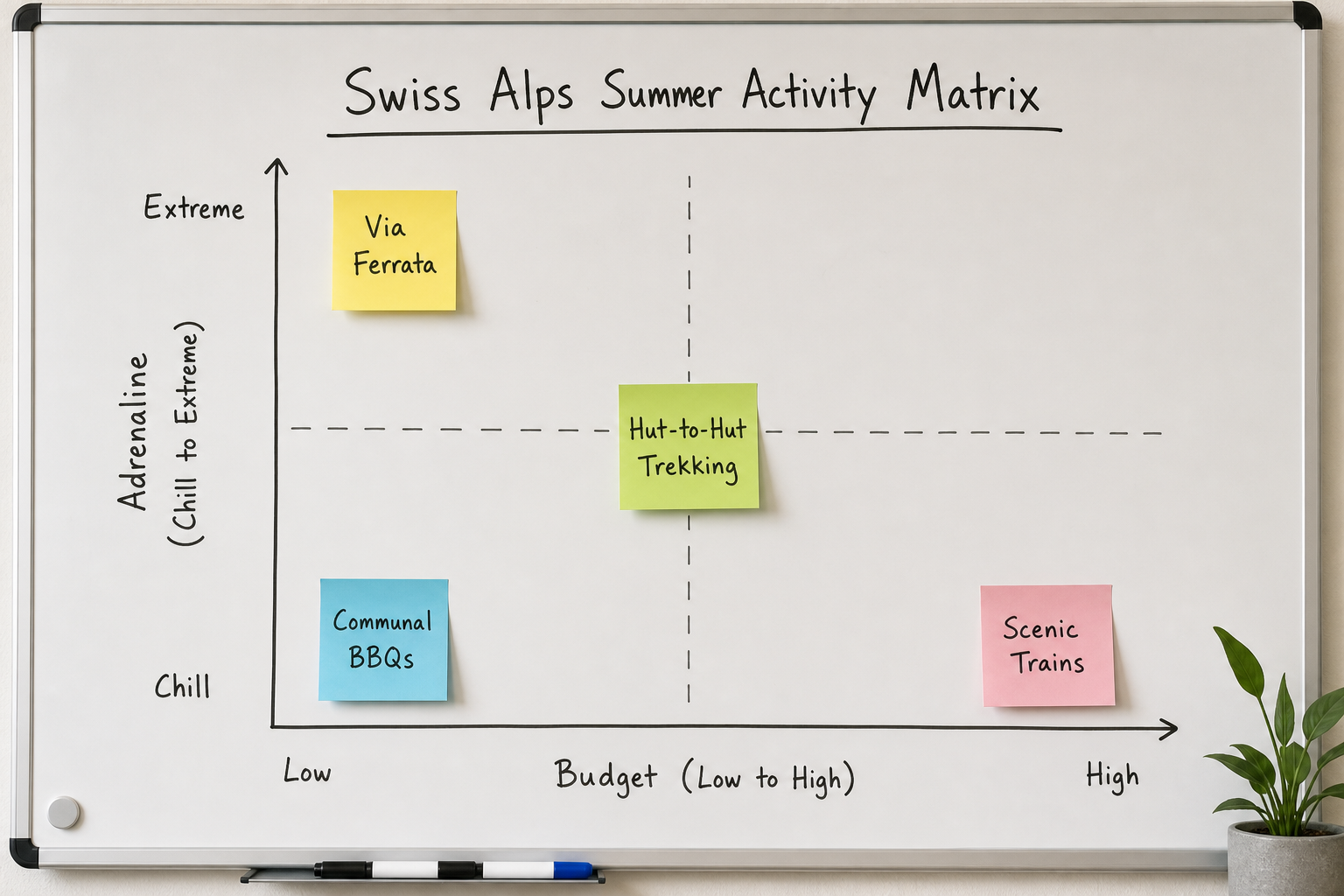
One of the most unique aspects of basing yourself in regions like Liddes or the Val de Bagnes is the proximity to international borders. You can eat a traditional Swiss Rösti for breakfast, enjoy an espresso in Italy by lunch, and have a glass of wine in France for dinner.
Organized border-crossing excursions are a massive draw for international backpackers. The two most popular summer day trips from the Swiss Valais region are:
- Chamonix, France: Just over the border, Chamonix is the undisputed capital of mountaineering. You can take the Aiguille du Midi cable car to an astonishing 3,842 meters for panoramic views of Mont Blanc.
- Aosta, Italy: Reached via the Great St. Bernard Pass (a stunning drive in summer), the Aosta Valley offers incredible Roman ruins, cheap and delicious Italian cuisine, and a distinctly different cultural vibe. While famous for winter sports (see Skiing in the Italian Alps? Try This Aosta Day Trip), summer in Aosta provides access to the quieter trails of the Gran Paradiso National Park.
5. Cool Off in High-Altitude Alpine Lakes
Summer temperatures in the Swiss valleys can comfortably reach 25-30°C (77-86°F) in July and August. After a long morning of hiking, there is nothing quite like cold plunging into a glacier-fed alpine lake.
While Lake Geneva and Lake Lucerne get the bulk of the international attention (and the crowds), the true magic lies in the higher elevation Lacs.
Must-Visit Summer Lakes:
- Lac des Dix: Located behind the monumental Grande Dixence Dam, this massive reservoir offers stark, striking scenery and trails that run along its perimeter.
- Oeschinensee: Often cited as one of the most beautiful lakes in the Alps, accessible via a short gondola ride and a modest hike. It’s perfect for families and budget travelers.
- Lac de Champex: A serene, tree-lined lake in the Valais region that feels more like a hidden Canadian outpost. You can rent pedal boats or swim near the shoreline.
Note on swimming: Glacial lakes rarely exceed 15°C (59°F) even in peak summer. Keep your swims brief to avoid hypothermia, and always pack a dry, warm layer for immediately afterward.
6. Ride the Scenic Swiss Railway Routes
You don’t have to be a hiking enthusiast to appreciate the scale of the Swiss Alps. Switzerland’s public transport system is an engineering marvel, and summer is the best time to experience the legendary scenic train routes with long daylight hours.
According to top travel resources like Nordic Visitor, traversing the country via train is a cornerstone of the Swiss experience.
The Heavy Hitters:
- The Glacier Express: Connecting Zermatt to St. Moritz, this 8-hour journey crosses 291 bridges and passes through 91 tunnels.
- The Bernina Express: A spectacular route that climbs over the high Alps into Italy, passing glaciers and negotiating the famous spiral viaduct at Brusio.
These trains are famously expensive, but budget backpackers can replicate the exact same routes on standard regional trains using a Swiss Travel Pass or Half Fare Card. You won’t get the panoramic glass roof of the tourist train, but the views out the window are identical, and you can actually roll the windows down for photography.
7. Combine Remote Work with Mountain Life
The digital nomad lifestyle has fully penetrated the Swiss Alps. Instead of sweating in a crowded European capital, remote workers are increasingly flocking to alpine regions where they can code or write by day and hike by late afternoon.
To pull this off successfully, you need infrastructure. Many traditional luxury hotels charge a premium just to sit in a quiet corner, but modern adventure lodges are built with remote workers in mind. Look for accommodations that explicitly offer high-speed Wi-Fi, communal workspaces, and quiet hours.
Basing yourself in a place like Ski Hostel for a few weeks provides a “home away from home” routine. You can join the group for a 7 AM trail run, work from 9 AM to 4 PM with uninterrupted mountain views, and close the laptop just in time for a communal BBQ. This seamless blending of productivity and outdoor recreation is why the Alps are becoming a top summer hub for the location-independent crowd.
8. Try Via Ferrata or Guided Beginner Mountaineering
If standard hiking feels too tame but you aren’t ready to hang from ropes on a sheer cliff face, a Via Ferrata (Iron Path) is the perfect middle ground. These are protected climbing routes equipped with steel cables, rungs, and ladders fixed to the rock.
Originating in the Italian Dolomites, Via Ferrata routes are now scattered throughout the Swiss Alps. Wearing a climbing harness and a specialized lanyard with two carabiners, you are clipped into the safety cable 100% of the time. It allows absolute beginners to access dizzying vertical terrain safely.
Getting Started Safely:
While Via Ferrata is highly accessible, it still requires proper instruction. Many adventure hostels offer guided excursions where an experienced volunteer or local guide teaches you the basics of carabiner management. Finding a trusted group to introduce you to alpine safety is crucial—read Guided Hiking in Switzerland: Finding Your Social Group to understand how to vet your guides and companions.
9. Attend Communal Mountain BBQs and Alpine Festivals
Summer in the Swiss Alps is deeply social. After the isolation of long, dark winters, the local communities and traveler hubs burst into life. While you could spend your evenings dining in expensive, formal resort restaurants, the real heartbeat of alpine summer is found around the fire pit.
Community-driven adventure lodges curate social programs that completely shift the travel experience. Picture returning from a grueling 15-kilometer hike to find an international group of backpackers gathered for a Brazilian-influenced BBQ on the hostel terrace.
These communal dinners, spa nights, and shared storytelling sessions forge intense friendships quickly. It’s an environment that naturally caters to solo travelers who want to share their mountain experiences without paying the premium of organized tour companies.
Essential Planning: Swiss Alps Summer Weather & Packing
The biggest mistake first-time visitors make is assuming “summer” means uniform heat. The alpine environment is notoriously volatile; you can get a sunburn at noon and be caught in a near-freezing sleet storm by 4 PM.
Weather Breakdown by Month
| Month | Valley Temps (Avg) | High Altitude Temps | Conditions & Vibe |
|---|---|---|---|
| June | 20-25°C (68-77°F) | 5-15°C (41-59°F) | Lush green, wildflowers blooming. High passes may still have snow patches. |
| July | 25-30°C (77-86°F) | 10-20°C (50-68°F) | Peak season. Hottest days, perfect for lake swimming and high-altitude treks. |
| August | 24-29°C (75-84°F) | 10-18°C (50-64°F) | Warm and stable, but expect late afternoon thunderstorms. Start hikes early! |
| September | 18-23°C (64-73°F) | 2-12°C (35-53°F) | Crisp air, changing colors, fewer crowds. Outstanding visibility for photography. |
The Layering Principle
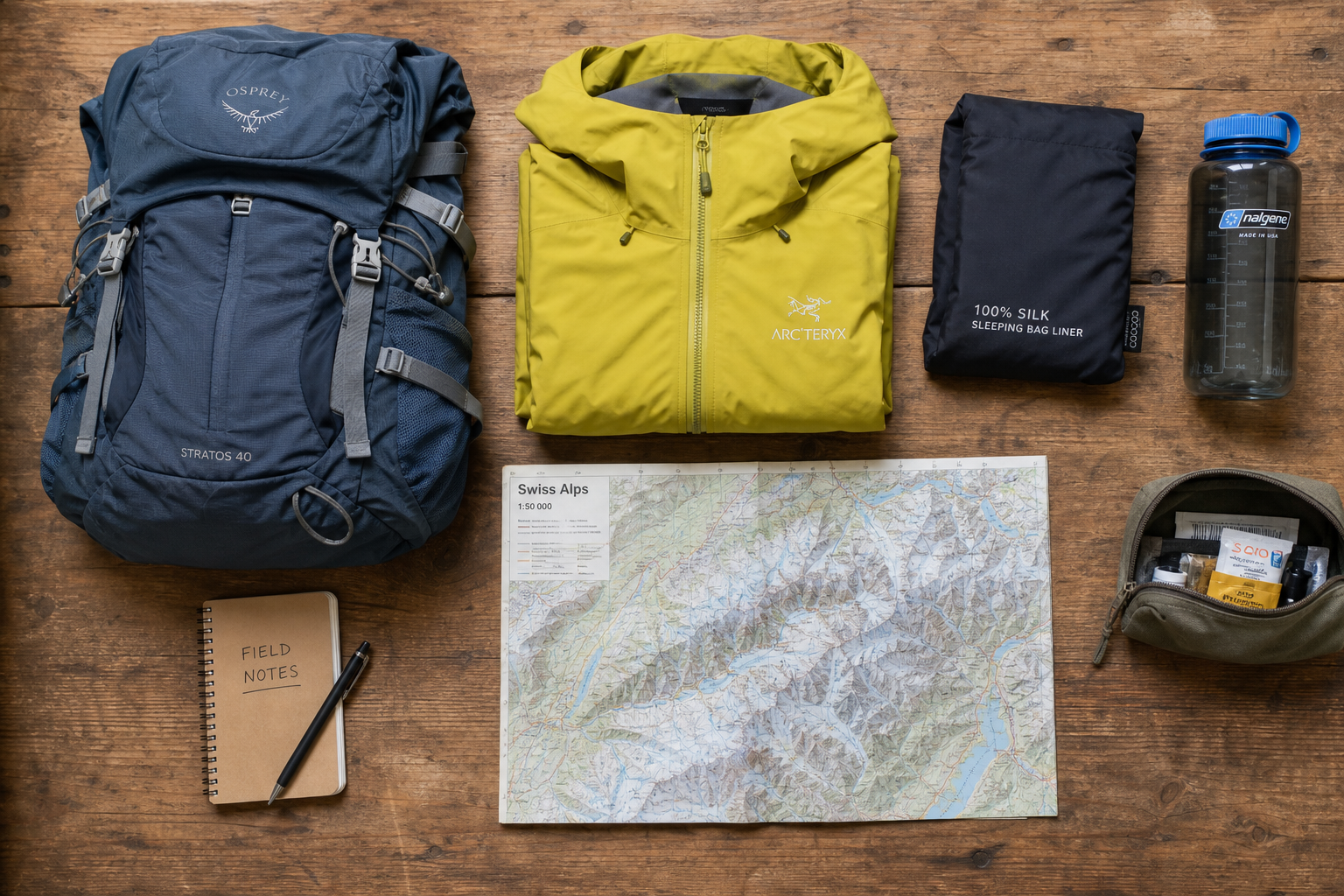
Because temperatures fluctuate wildly based on elevation and cloud cover, you must pack with a systematic layering strategy. Avoid bulky winter coats. Instead, bring a moisture-wicking base layer, a fleece mid-layer, and a packable Gore-Tex shell.
For a complete, no-nonsense checklist, reference our Swiss Alps Summer: A Simple 5-Step Packing Guide, which breaks down exactly what fits into a 40L backpack for a two-week trip.
How to Navigate Swiss Summer Logistics on a Budget
Switzerland is frequently ranked as one of the most expensive countries in the world. As TripAdvisor notes in its annual activity roundups, standard tourist attractions command a premium. But navigating the country affordably is entirely possible if you rethink your logistics.
- Ditch the Rental Car: Swiss public transit is flawless. Buy a Half Fare Card (which cuts all train, bus, and many gondola tickets by 50%) or a Swiss Travel Pass. Driving in the Alps involves steep gas prices, terrifying mountain switchbacks, and exorbitant parking fees at trailheads.
- Cook Communally: Restaurant prices in Switzerland will drain a backpacker’s budget in three days. Opt for accommodation with a massive, well-equipped shared kitchen. Buying groceries at local Migros or Coop supermarkets and cooking with your fellow travelers saves hundreds of francs a week.
- Leverage Local Knowledge: Tourist centers will point you toward expensive cogwheel trains. A hostel host will point you toward a free post bus that drops you at a better, quieter trailhead. For more detailed budget strategies, review 7 Tips for Hiking in Switzerland (Without the High Cost).
Planning a return trip? If you fall in love with the summer landscape, you’ll likely want to come back for the snow. Use your summer downtime to chat with locals about Which Swiss Ski Resort Fits a Backpacker’s Budget? to get a head start on winter bookings.
Accommodation: Why a Social Lodge Beats a Luxury Hotel
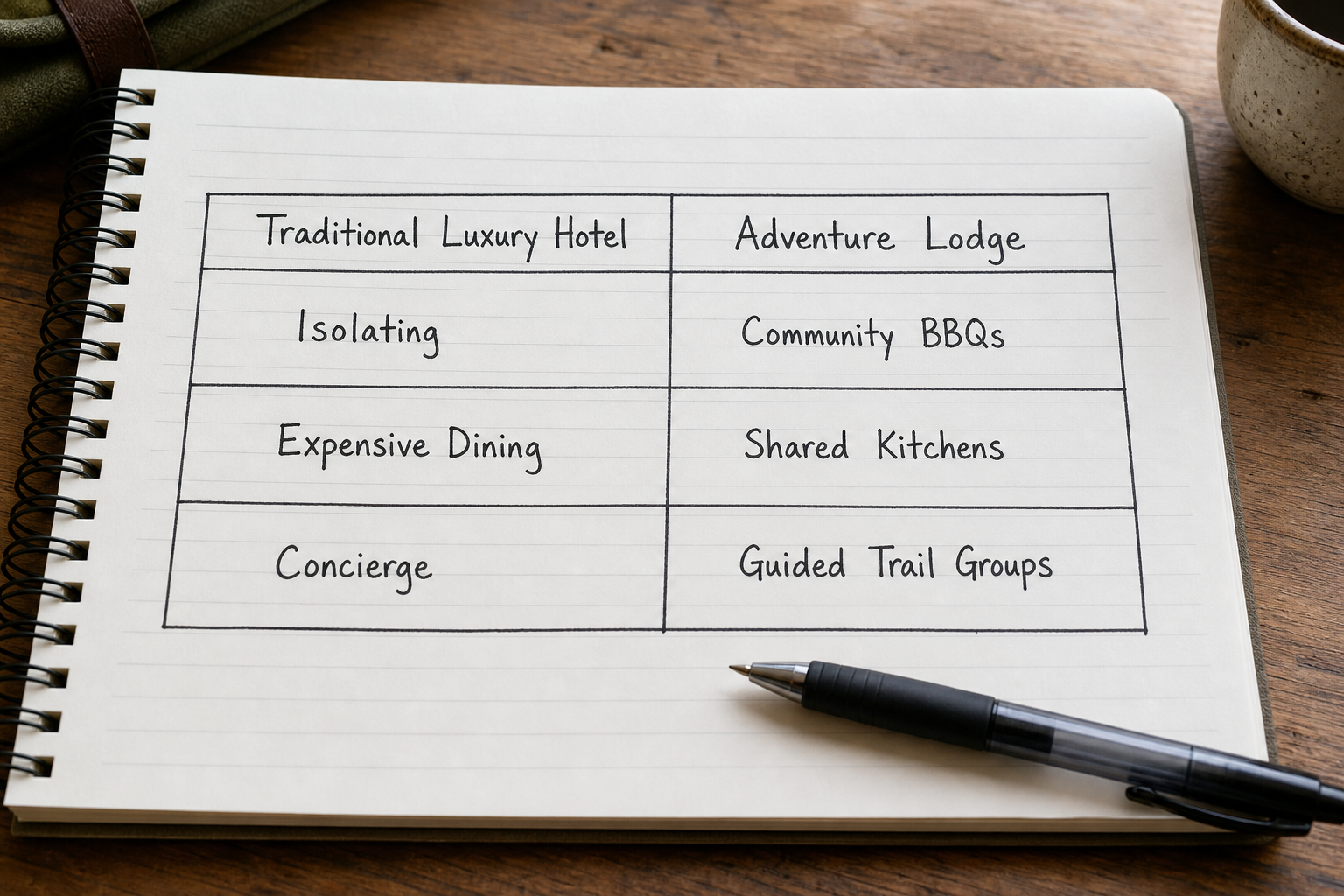
When planning a trip to the Alps, you generally have two distinct accommodation paths: the traditional, high-end Swiss hotel, or the community-driven adventure lodge.
While luxury hotels offer spas and room service, they fundamentally isolate you from the local landscape and other travelers. They are designed to keep you inside.
Adventure lodges, like Ski Hostel, are designed to launch you outward. The entire business model revolves around the all-in-one outdoor experience. Logistics, gear rental, and group itineraries are fully managed by the host and volunteers. You aren’t just renting a bed; you are plugging into a ready-made network of outdoor enthusiasts.
This communal model caters to all skill levels. If you are a beginner, you have a built-in safety net of experienced guides. If you are an expert seeking high-altitude challenges, you’ll quickly find climbing partners over morning coffee.
If you’re still debating where to stay, read our breakdown on Hotels in Swiss Mountains? Why Social Lodges Beat Luxury to understand how the hostel format has evolved to serve digital nomads and families alike.
Ready for a Swiss Summer?
The Swiss Alps in summer offer a rare combination of accessible wilderness, flawless infrastructure, and a vibrant, international community. By avoiding the typical luxury traps, embracing the adventure lodge lifestyle, and prioritizing social connection, you can experience the absolute best of the mountains on a sensible budget. Pack your layers, book your cabanes early, and we’ll see you on the trails in 2026.```